






MANUFACTURING
2026/09/10
From Cascades, an area where Nikkiso has a global share of over 90%, to eVTOL components. The Nikkiso Miyazaki Aerospace Factory’s insatiable quest for air mobility
- Aerospace
- eVTOL
- Miyazaki
- CFRP
- Interview
- Aircraft
Index
Editor's NoteThis article is an English translation of the original Japanese article published in September 2024.
Nikkiso boasts world-leading technology with more than 40 years of history in the manufacturing of aircraft parts, including cascades (an aircraft component made of carbon fiber reinforced plastic, or CFRP). In 2018, Nikkiso established a new aerospace factory in Miyazaki Prefecture, Southern Japan. The Miyazaki Aerospace Factory, equipped with state-of-the-art equipment, also manufactures components for electric vertical take-off and landing (eVTOL) vehicles, also known as flying cars. The foundation of manufacturing components for eVTOL, which is globally expected to be the next generation of mobility, lies in the unique technological capabilities cultivated in the manufacturing of aircraft parts. We interviewed three people working on the front lines of the manufacturing field.
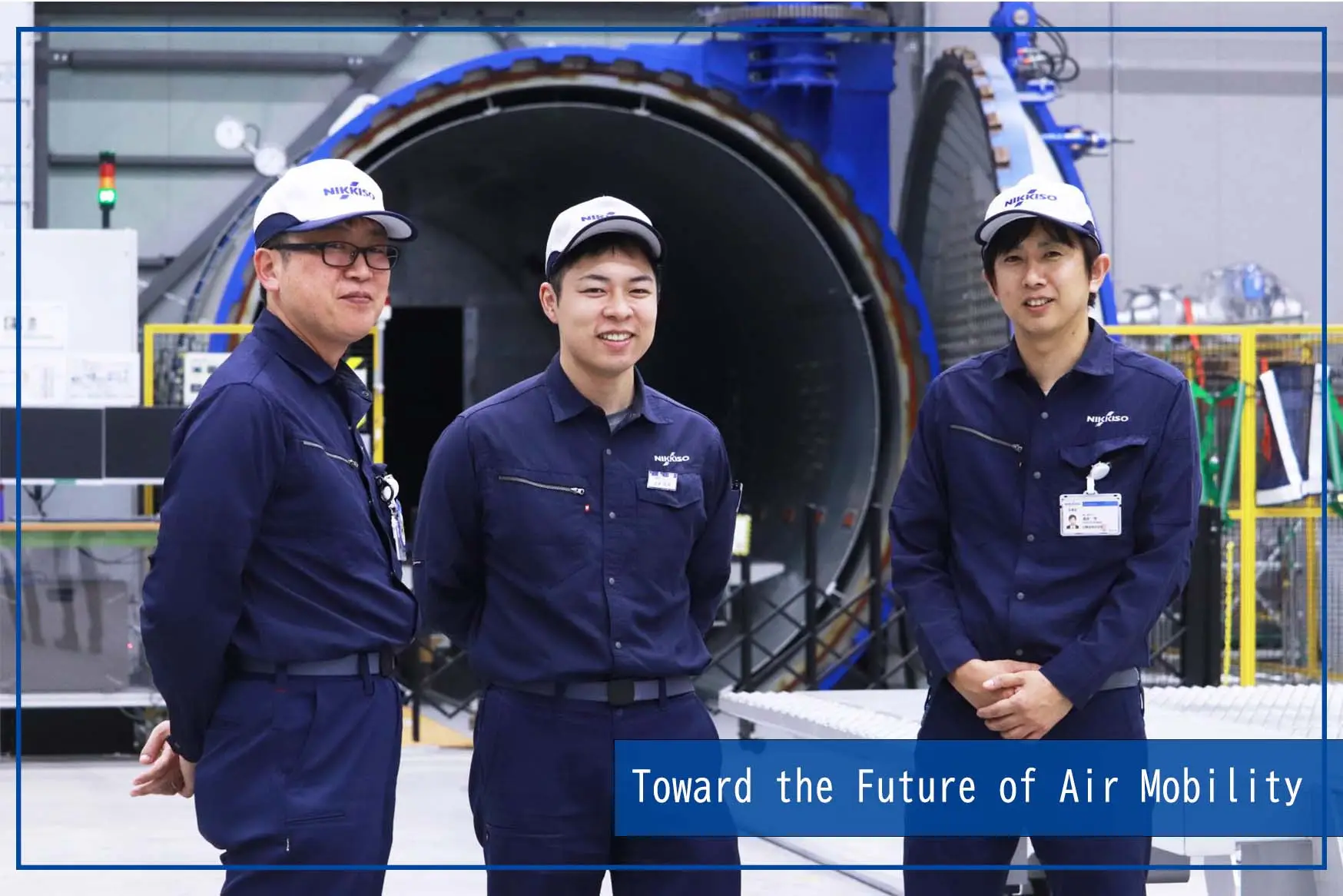
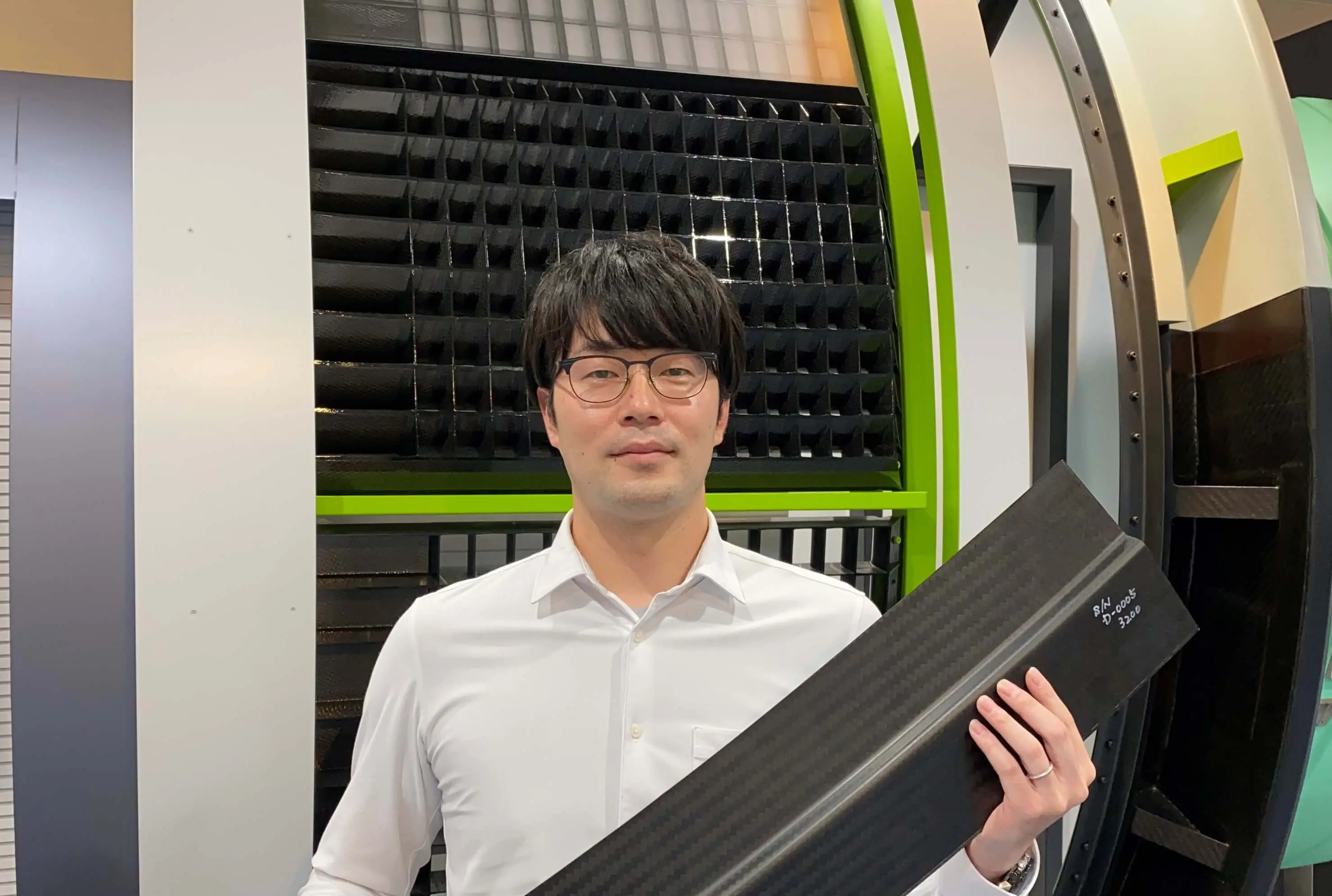
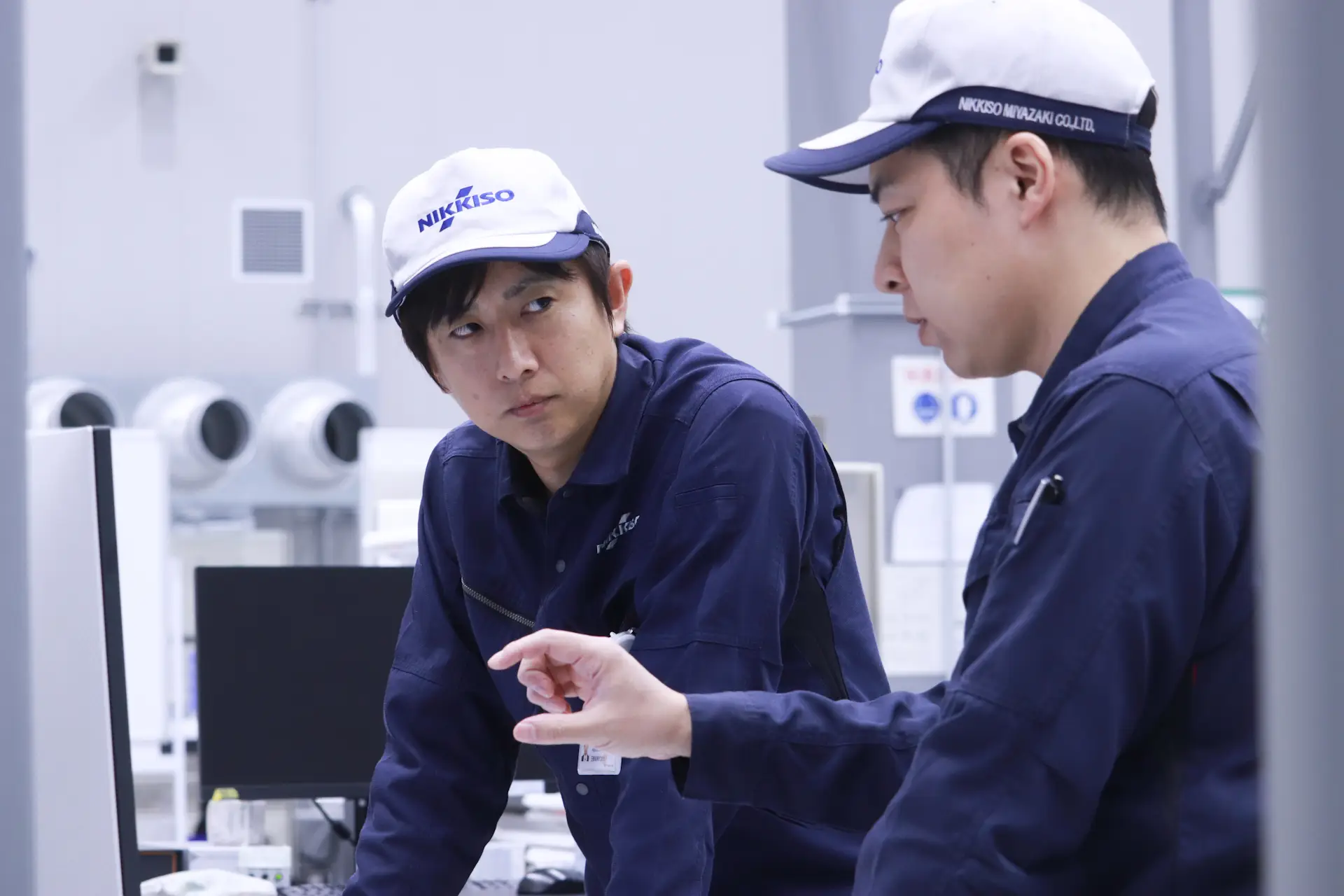
Satoru Abe is General Manager of the Engineering Department of the Nikkiso Miyazaki Aerospace Factory. He joined Nikkiso in 2000. Since then, he has been involved in manufacturing and developing Cascades. After working at the Vietnam Factory, he transferred to Nikkiso Miyazaki in June 2024. Yuhei Tsujii belongs to the Second Group of the Inspection Department at the Nikkiso Miyazaki Aerospace Factory. He joined Nikkiso in 2013. After working at the Vietnam Factory, he was seconded to Nikkiso Miyazaki in 2020. He is mainly in charge of inspection processes in the manufacturing of eVTOL components. Manabu Morita belongs to Engineering Department Ⅱ of the Aerospace Research & Technology Center at Nikkiso Miyazaki. He joined Nikkiso in 2018. He serves as the project leader of the eVTOL project. |
Our strength is the integral molding technology for CFRP cultivated over many years. A new factory was established to meet greater aircraft demand
-- First of all, please give us an overview of the Miyazaki Aerospace Factory.
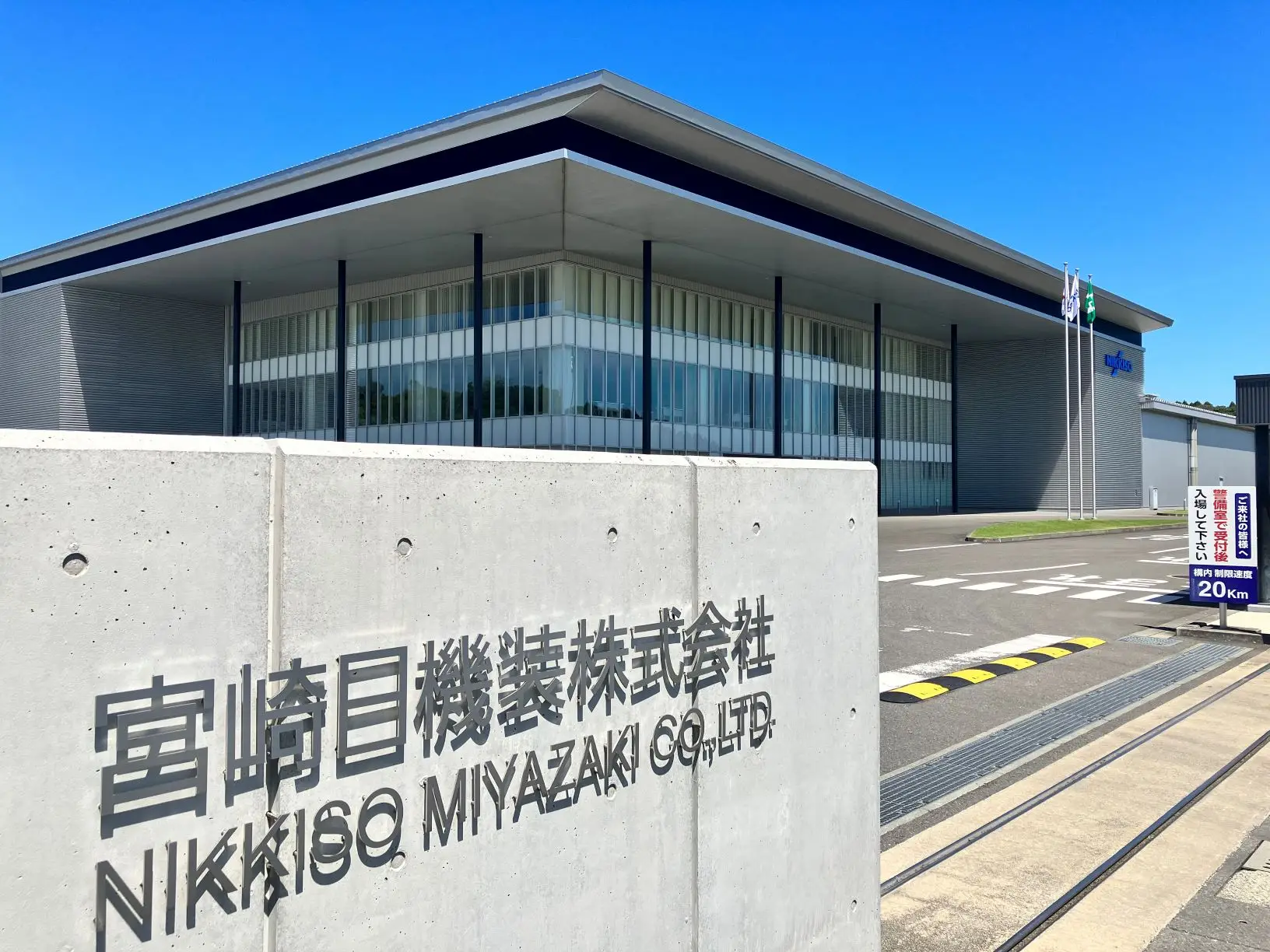
Abe: The Miyazaki Aerospace Factory currently has about 530 employees, and manufactures cascades (*1) and fan case liners (*2), which are aircraft engine nacelle parts.
The factory is divided into two plants. One is dedicated to Cascades, and the other manufactures products other than Cascades, such as fan case liners and satellite components.
*1: Cascades are lattice-shaped curved components used by aircraft to slow down when landing. They help the aircraft to decelerate by controlling the airflow discharged from jet engines during thrust reversal, redirecting the thrust forward.
*2: Fan case liners are components mounted around the fan blades of a jet engine. They regulate the flow of air from the engine intake to protect the fan blades.
-- What was the purpose and what is the background to establishing the Miyazaki Aerospace Factory?
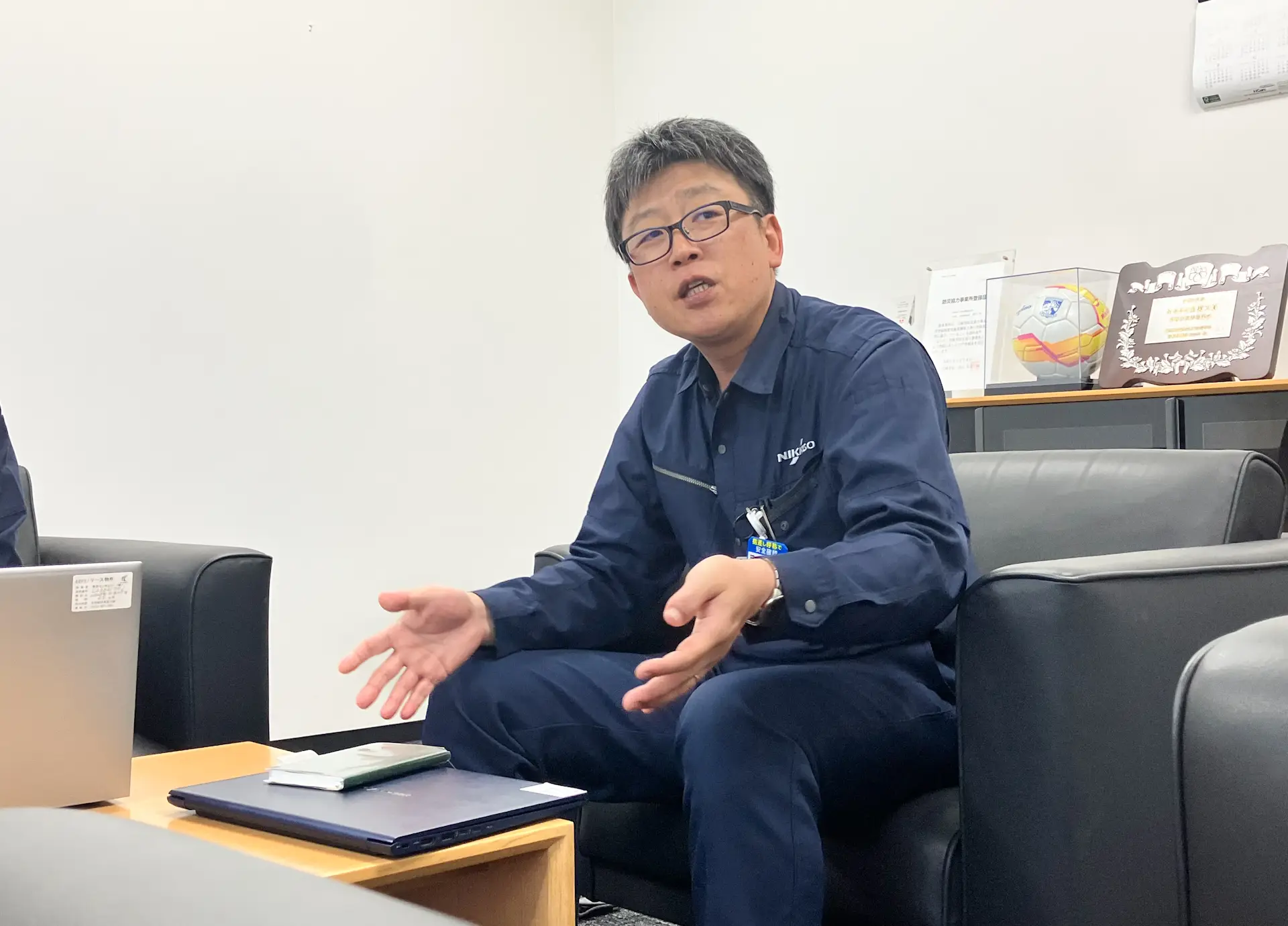
Abe: The purpose of establishing the new factory was to enhance production capacity to meet increasing demand for aircraft.
At first, manufacturing bases for the Aerospace Business were distributed over three locations, which are Shizuoka (central Japan), Kanazawa (central Japan), and Higashimurayama (Tokyo). Because they had been operated by separating spaces within existing pump or medical device factories, the structure and layout of their buildings varied among those factories, and they were small. Therefore, their ability to support the business expansion was limited.
So, anticipating the future of the Aerospace Business, we decided to build a factory from scratch that specializes in manufacturing aerospace-related products. In order to increase productivity, the layout of the new factory was designed to be efficient, on a scale anticipating mass production, with the ambition of expanding business.
Subsequently, the manufacturing bases in Shizuoka, Kanazawa, and Higashimurayama were consolidated into Miyazaki one after another to improve production efficiency.
When the factory was established, the demand for aircraft declined due to the COVID-19 pandemic, and we faced a difficult period. However, the factory’s operating rate increased gradually as the demand for aircraft recovered, and the production volume is now reaching record highs almost every month.
-- Please tell us about the equipment and core technologies of the Miyazaki Aerospace Factory.
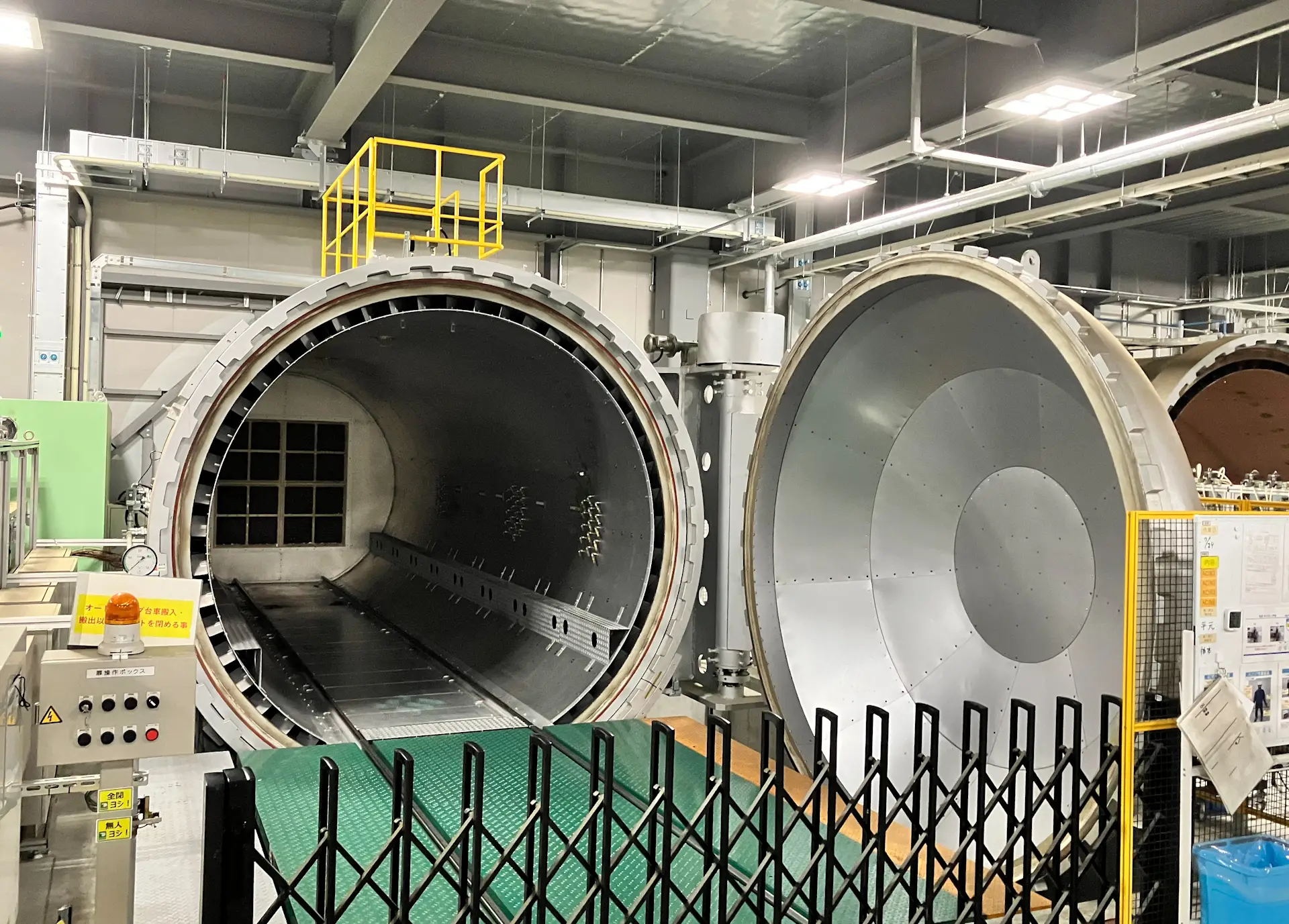
Morita: This factory is well equipped with various kinds of equipment to handle CFRP, including cutters, laser projectors, autoclaves, five-axis machining devices, three-dimensional measuring instruments, and non-destructive testing equipment.
Abe: In particular, it operates eight autoclaves for curing laminated parts, giving it one of the largest autoclave capacities in Japan. While some companies have deployed larger autoclaves, I believe only our factory has such a well-equipped facility on a scale suitable for manufacturing aircraft parts.
Morita: In terms of technology, while CFRP products generally have a simple panel-like shape, Cascades have a three-dimensional and complex shape. For this reason, integral molding* is considered difficult. However, our company has made integral molding possible by arranging and laminating materials in a three-dimensional manner along the curved mold.
Fan case liners are made by bonding thin aluminum sheets and aluminum honeycombs together, which are metal materials. Like Cascades, fan case liners have a three-dimensional and complex shape, and technical skills are required to bond them together while controlling the thickness of the adhesive.
Our strength is that we are continuing to manufacture products with complex shapes by establishing processes while incorporating such technologies.
* Integral molding: A method of molding even complex structures at once by placing cut materials into a mold and curing them under pressure.
Tackle the eVTOL market by collaborating with a world-leading company
-- I heard that you are also working on manufacturing components for eVTOL as a new business. How did you enter the eVTOL market?
Abe: We were selected by Joby Aviation (“Joby”), a leading company in the development of eVTOL, as a supplier of eVTOL components.
The reason why they invited us was that while there are only a few companies that can manufacture composite parts, our company has the technological capability to manufacture Cascades and other complex-shaped parts with integral molding and the advanced technological capability in metal bonding cultivated through the manufacturing of fan cases and other products. Another reason would be that the establishment of the Miyazaki Aerospace Factory has enhanced our production capacity.
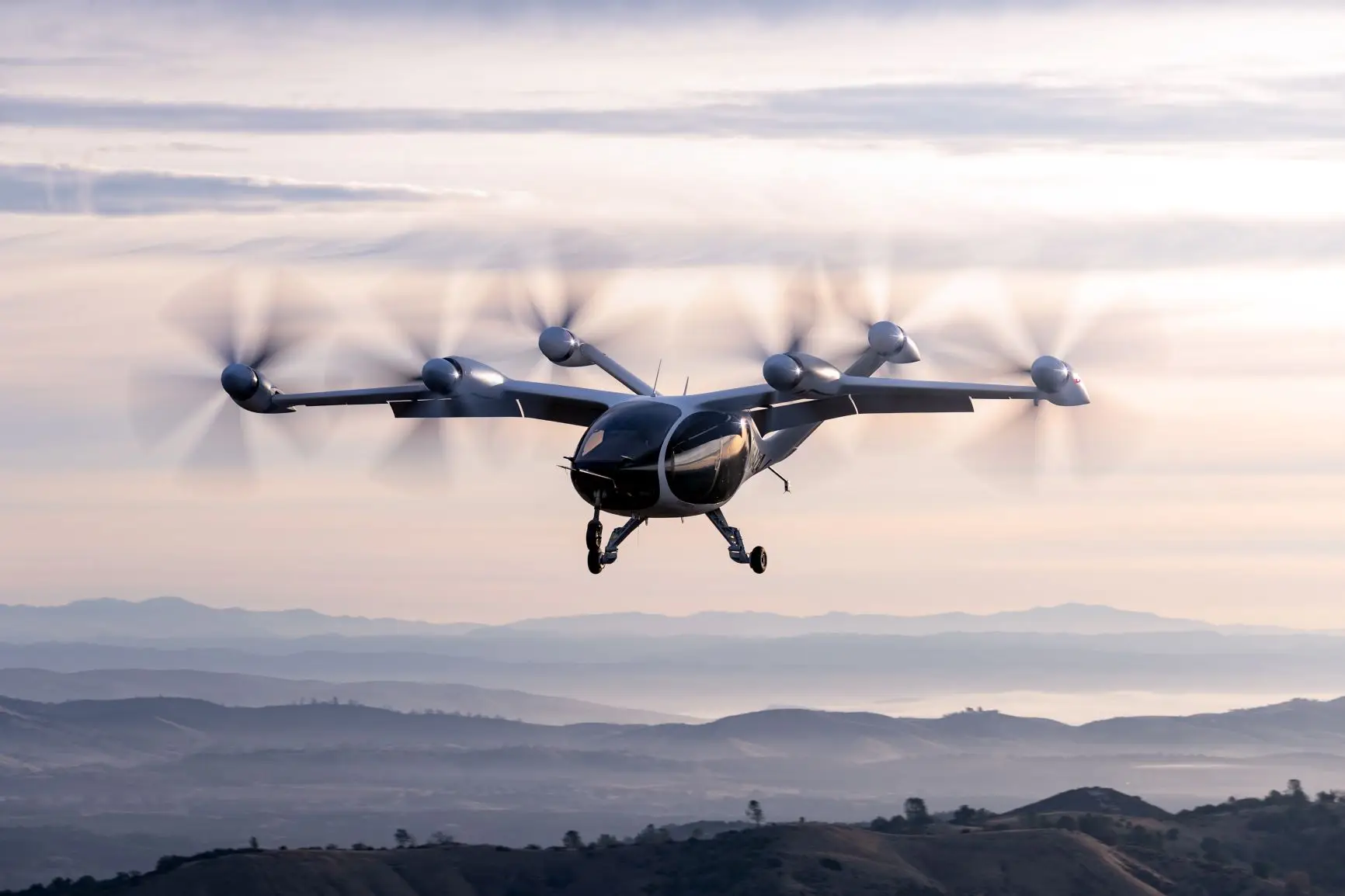 Source: Joby Aviation
Tsujii: The project was launched three years ago. At that time, the requirements for eVTOL had been far less determined than they are today. Therefore, we had to continue with development together while sharing knowledge from both sides. In particular, we have confidence in the lamination technology we have cultivated over many years, and this technology was highly evaluated by Joby. So, we were entrusted with the manufacturing of complex parts among eVTOL components. In January 2024, we shipped components from this factory to Joby for the first time.
Today, based on the firm collaboration we have built so far, we are continuing to actively develop prototypes within our company, always with a spirit of challenge and with a view to commencing commercial operations.
| Joby Aviation is based in California, the United States, and funded by Toyota, etc. As of July 2024, the performance of the airframe has been verified through more than 1,500 flights of over 33,000 miles in aggregate, and testing with prototypes before mass production has been completed. In 2025, Joby plans to complete acquiring approval by the Federal Aviation Administration (FAA) required for commercial flights and start an air taxi service. |
-- Specifically, what components do you manufacture?
Morita: We manufacture CFRP components for airframes. One example is the frame of a part called a Tail at the rear of the airframe. We are participating in the project with an attitude of being close to Joby, while always looking for ways to contribute, rather than a limited relationship like taking charge of a certain component only.
-- Are there any difficulties in manufacturing eVTOL components compared with conventional aircraft parts?
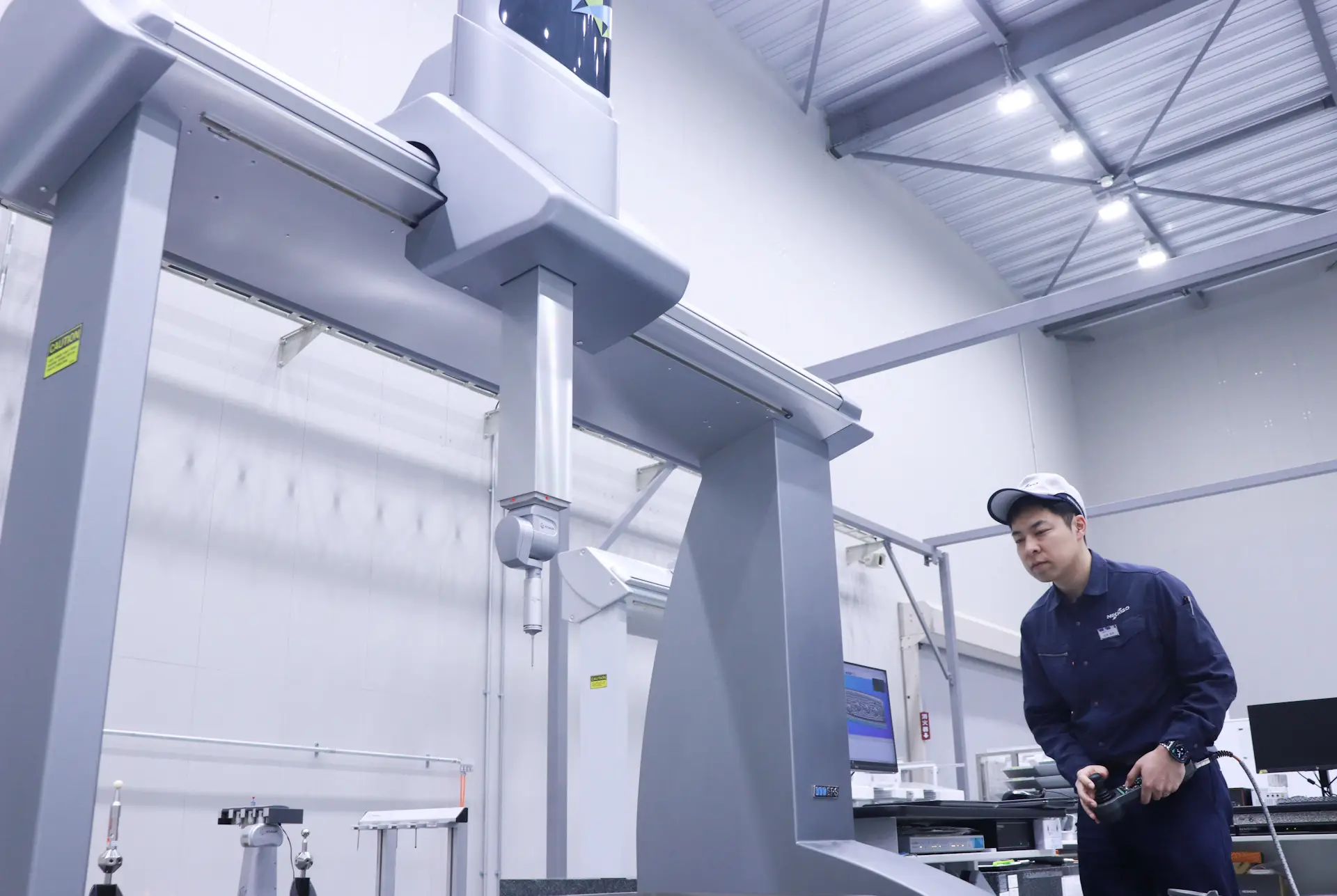
Tsujii: The manufacturing method is not significantly different from that for aircraft parts. However, because there are many curves and quite unique shapes, the manufacturing of eVTOL components requires technologies to place fibers along complex shapes and apply appropriate pressure during molding. For this process, it is useful to have Cascade manufacturing technology.
Morita: In addition, the start-up period from determining product specifications to delivery is short. As a leading company, Joby is working toward the early commercialization of eVTOL services, but due to the high degree of design flexibility in its airframe, finalizing the design and concept may take time. While the general design has been almost finalized, it seems that the details are still being worked out within Joby.
Tsujii: The design is often actually changed, and we are required to respond to such change very quickly, from the time when it is shared with us to the time when the item is ready. In the case of aircraft, a product is launched gradually over a period of about a year, while in the case of eVTOL, it is done in about three or four months. Because we are trying unprecedented manufacturing, it is difficult but we feel it is worth doing.
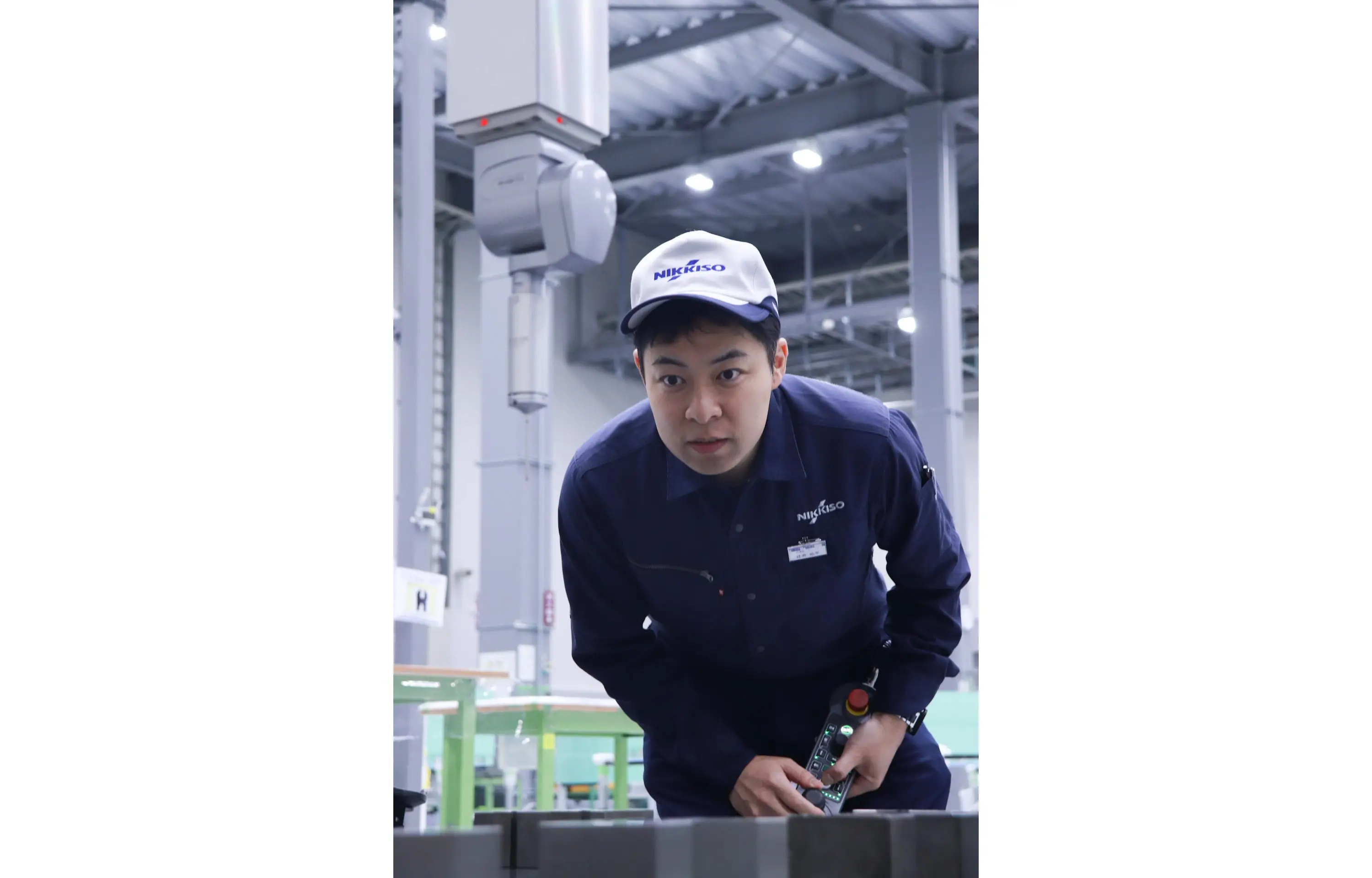
Morita: As a project leader, I feel pressure from this situation, but I also find it interesting that there are many changes that I have not experienced before in my past tasks. I also think it is a valuable experience to feel close to engineers at Joby and to have close communication with them.
In addition, Tsujii and I underwent two-month training at Joby. I believe we were able to spend some time that was beneficial for both sides, such as working with local staff on lamination and inspection, sharing Joby’s know-how from its site with the members in Japan, and communicating our lamination methods and quality control methods.
Acceleration through organizational reform to disseminate new products from Nikkiso Miyazaki
-- The role of the Miyazaki Aerospace Factory will probably continue to grow due to increasing aircraft demand and the launch of new products. Under such circumstances, is there anything you are working on to ensure stable manufacturing?
Morita: Right now, we are working to strengthen project management. In the past, in a situation where we did not know what project management was in the first place, management did not work properly and different people had a different recognition about the direction to head in and purpose of the project in some cases.
So, we are currently making efforts to build an organization to ensure that project management works. We intend to build an organization that enables us to share appropriate information at an appropriate timing by strengthening collaboration between project members and relevant departments so that the entire division can move toward common goals.
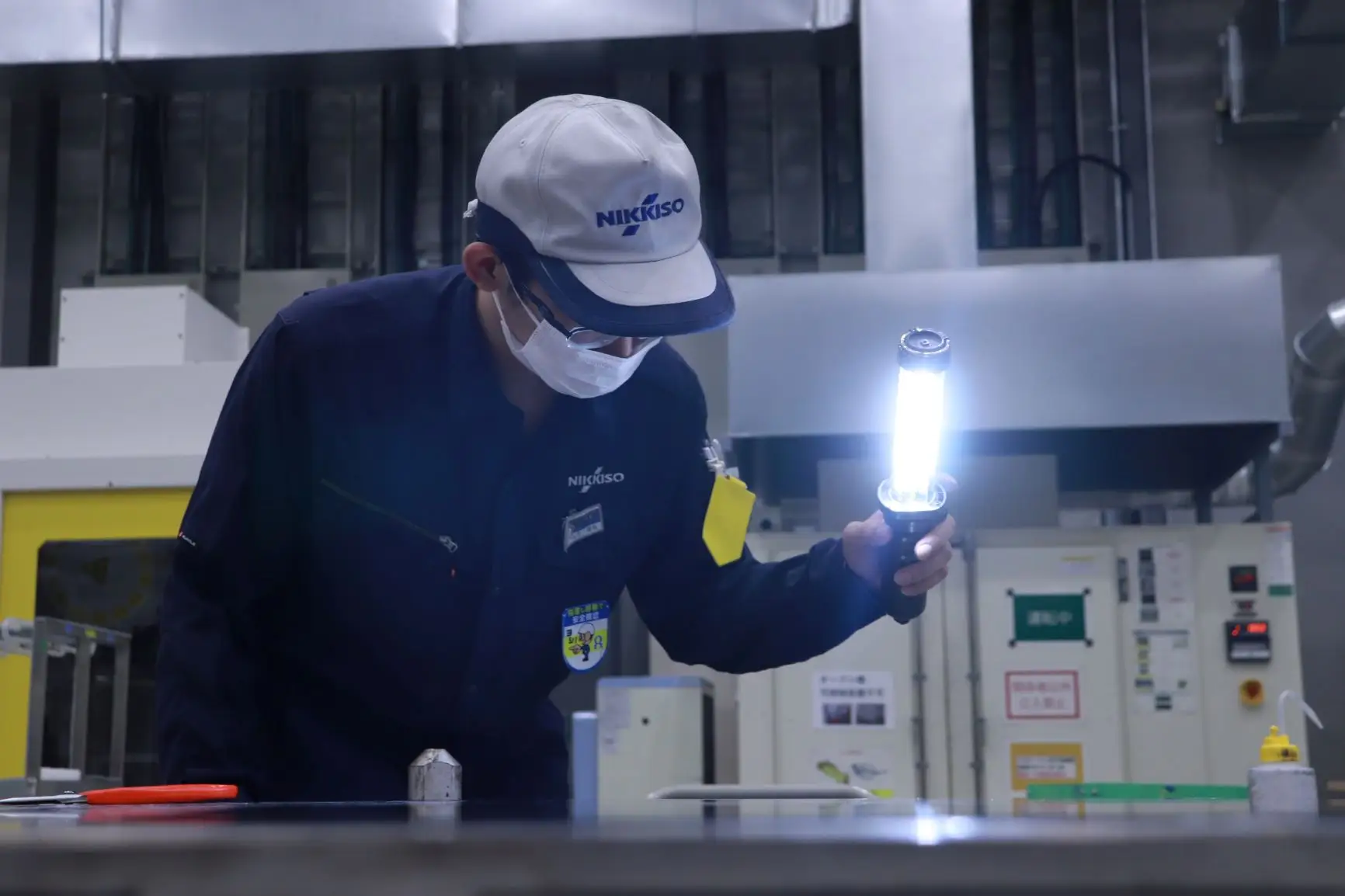
Abe: This is an issue that should be addressed by the division as a whole, not limited to the project with Joby. With this project as a model case, we will build a new organization.
-- Specifically, what are you working on?
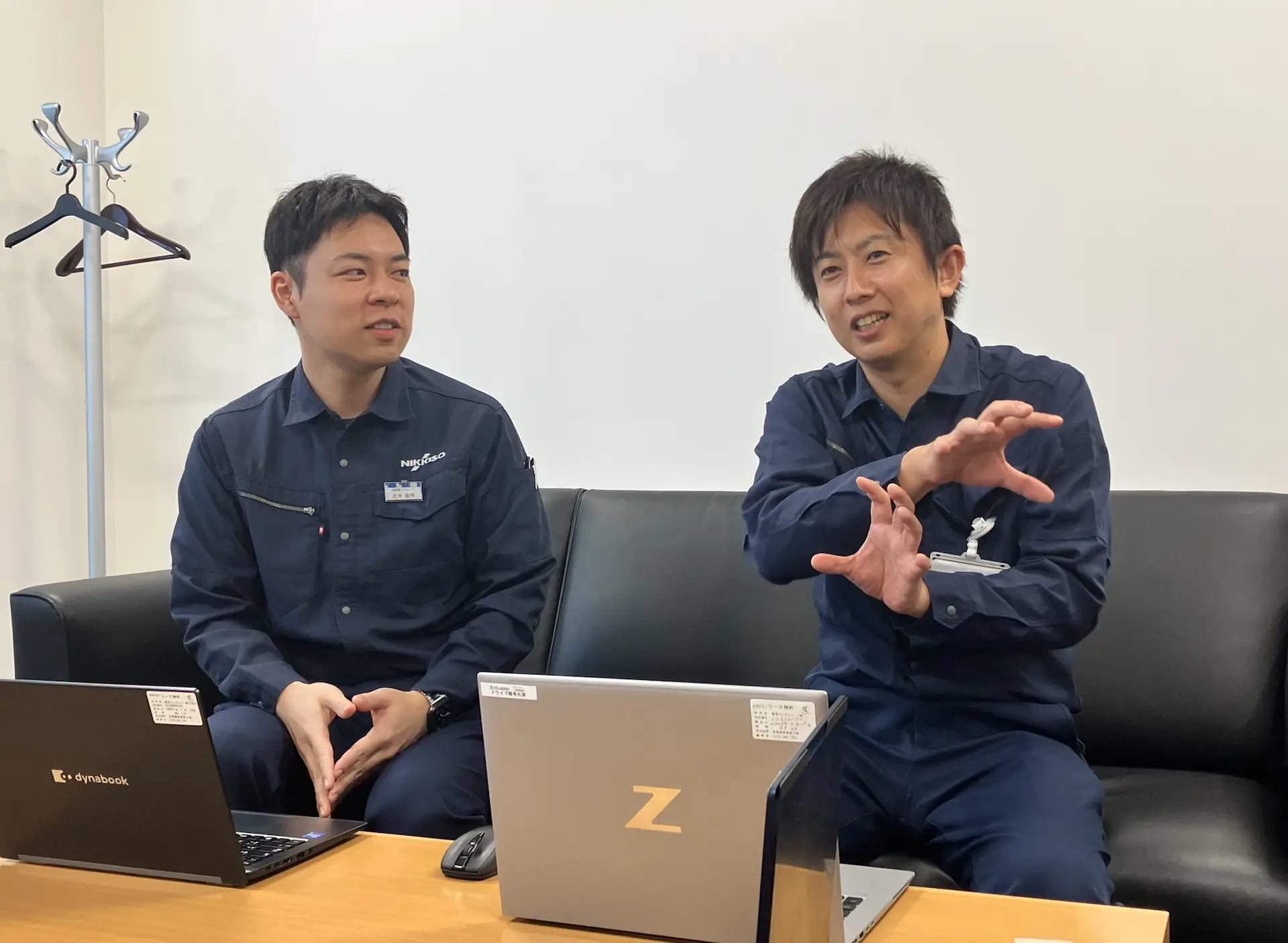
Morita: As a basic matter, we first clarified the purpose and goals of the project and the definition of roles of the members. For this project, we selected sub-leaders from the departments of production technology, manufacturing, and quality control, and decided to adopt concurrent engineering from the beginning of the project. After that, we began working with the sub-leaders to identify tasks to launch Joby products, how long the lead time is, and whether resources are available to proceed with the work as planned, in order to incorporate those elements into the schedule. Since the launch of Joby products requires responses in a fairly short period of time, we aim to establish an organization in which the sub-leaders from each field take the lead in promoting the work.
In addition, members participating in the project from each department bring the progress and issues of the project back to their own department as a way to share information. We intend to enhance the level of information in the project as a whole through active dissemination of information from the members, in addition to the top-down communication from leaders or core members.
Abe: In order to strengthen the momentum for disseminating new products from Nikkiso Miyazaki and the awareness of each and every person involved in manufacturing the products, we have formulated a policy in which members from the Manufacturing Department, the Inspection Department, and the Quality Control Department, in addition to the Engineering Department, are assigned to the project and each department takes responses in a responsible manner and where all the members understand the progress. As for how to proceed with the project, which had been dependent on individuals in the past, we are currently systematizing it so that the project can progress more efficiently.
Continue to be a company indispensable to air mobility. The challenge of the Miyazaki Aerospace Factory continues
-- Finally, please tell us about your future prospects.
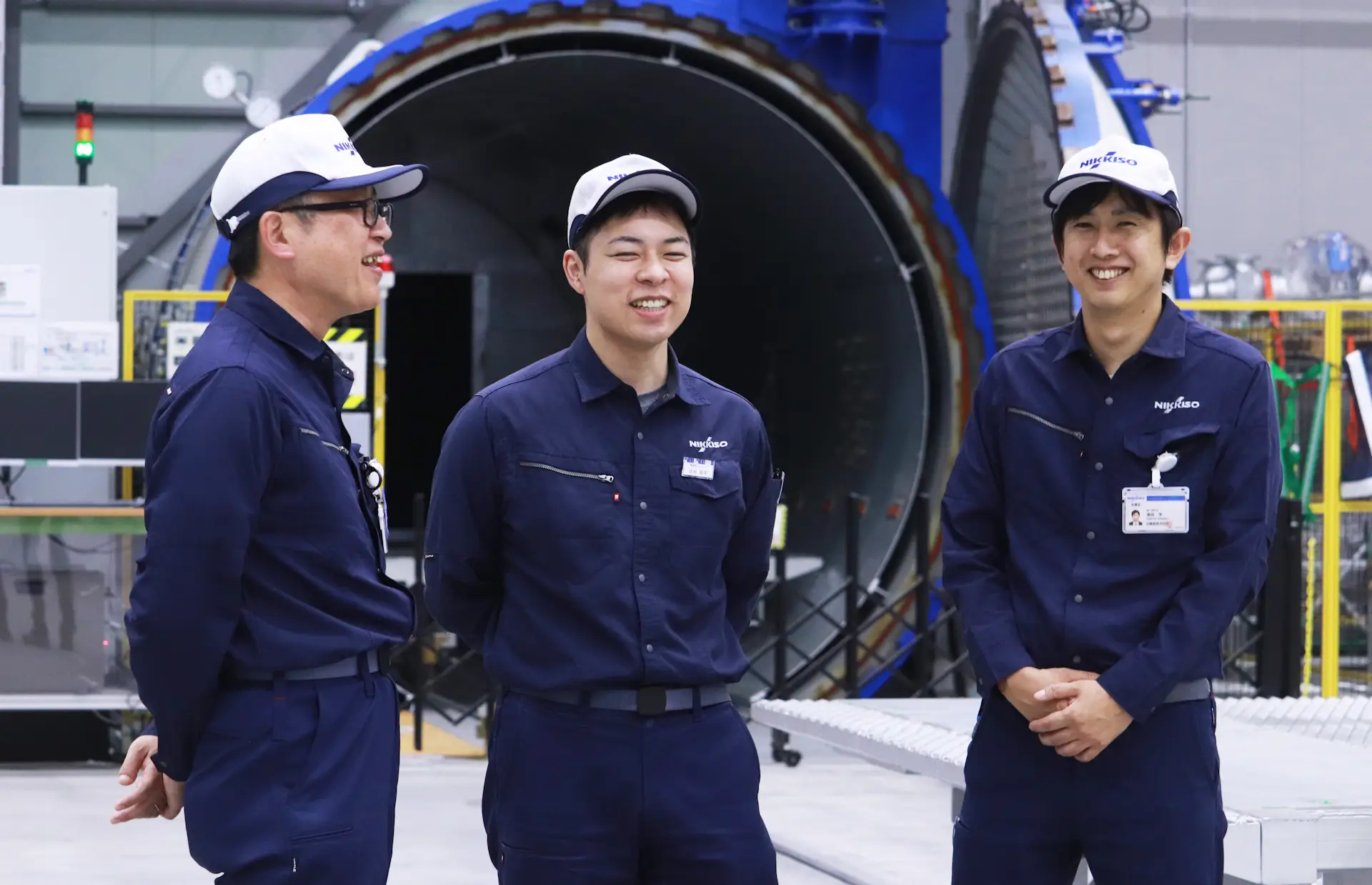
Tsujii: I would like to be an inspection specialist. Going forward, I would like to try to acquire an advanced qualification for non-destructive testing, and to be engaged in work related to the launch of new products in cooperation with various companies as well as Joby.
Morita: The Nikkiso Miyazaki Aerospace Factory is the place for new challenges for both Nikkiso and Miyazaki. eVTOL is truly a product that is about to go out into the world, and I find it greatly significant to be able to disseminate eVTOL from Miyazaki to the world. Joby’s eVTOL is one of the eVTOLs to be exhibited by four groups at Osaka Kansai Expo to be held in 2025. We will continue to make every effort in collaboration with Joby to put eVTOL into practical use.
Personally, I still feel that my skills are insufficient as a project leader. I would like to improve my judgment and leadership skills by gaining a wide range of experience.
Abe: At the Miyazaki Aerospace Factory, we are striving to improve efficiency, enhance quality, and have automation to handle the increased production volume of Cascades, Fan Cases, and other existing products. We are also actively working on new businesses such as eVTOL and satellite components, and improving the production capacity of the entire factory.
Personally, six years after starting my assignment at the Vietnam Factory and now back in Japan, my desire to create new Nikkiso-designed products following Cascades is becoming stronger.
To this end, I would like to actively challenge myself in new fields such as eVTOL and artificial satellites, and work to build an organization that can produce high-quality products with short delivery times throughout our factory.
この記事をシェアする



Pickup
-
 MANUFACTURING
[Part 2] Nikkiso Vietnam, Inc. is expanding its product range from engine nacelle parts to wing and fuselage components
- Aerospace
- Aircraft
- CFRP
- Interview
2026/08/28
-
 MANUFACTURING
[Part 1] Nikkiso Vietnam, Inc. is expanding its product range from engine nacelle parts to wing and fuselage components
- Aerospace
- CFRP
- Interview
- Aircraft
2026/08/27
-
 MEDICAL FIELD
What is Green Dialysis? Achieving Sustainable Dialysis Treatment through Industry-Academia Collaboration
- Hemodialysis
- Interview
- Medicalbusiness
2026/08/25
PICK UP
-
From Cascades, an area where Nikkiso has a global share of over 90%, to eVTOL components. The Nikkiso Miyazaki Aerospace Factory’s insatiable quest for air mobility
-
[Part 2] Nikkiso Vietnam, Inc. is expanding its product range from engine nacelle parts to wing and fuselage components
-
[Part 1] Nikkiso Vietnam, Inc. is expanding its product range from engine nacelle parts to wing and fuselage components
-
What is Green Dialysis? Achieving Sustainable Dialysis Treatment through Industry-Academia Collaboration
-
Empowering Asia’s Expanding Dialysis Treatment with Nikkiso’s Advanced Technology and Comprehensive Support