






MEDICAL FIELD
2026/08/25
What is Green Dialysis? Achieving Sustainable Dialysis Treatment through Industry-Academia Collaboration
- Hemodialysis
- Interview
- Medicalbusiness
Index
As interest in sustainability has grown in all fields in recent years, reducing environmental impact has emerged as a new issue in the medical field as well. In the field of dialysis care which consumes large amounts of water, energy, and plastic products, the concept of "Green Dialysis" is gaining momentum, especially in Europe.
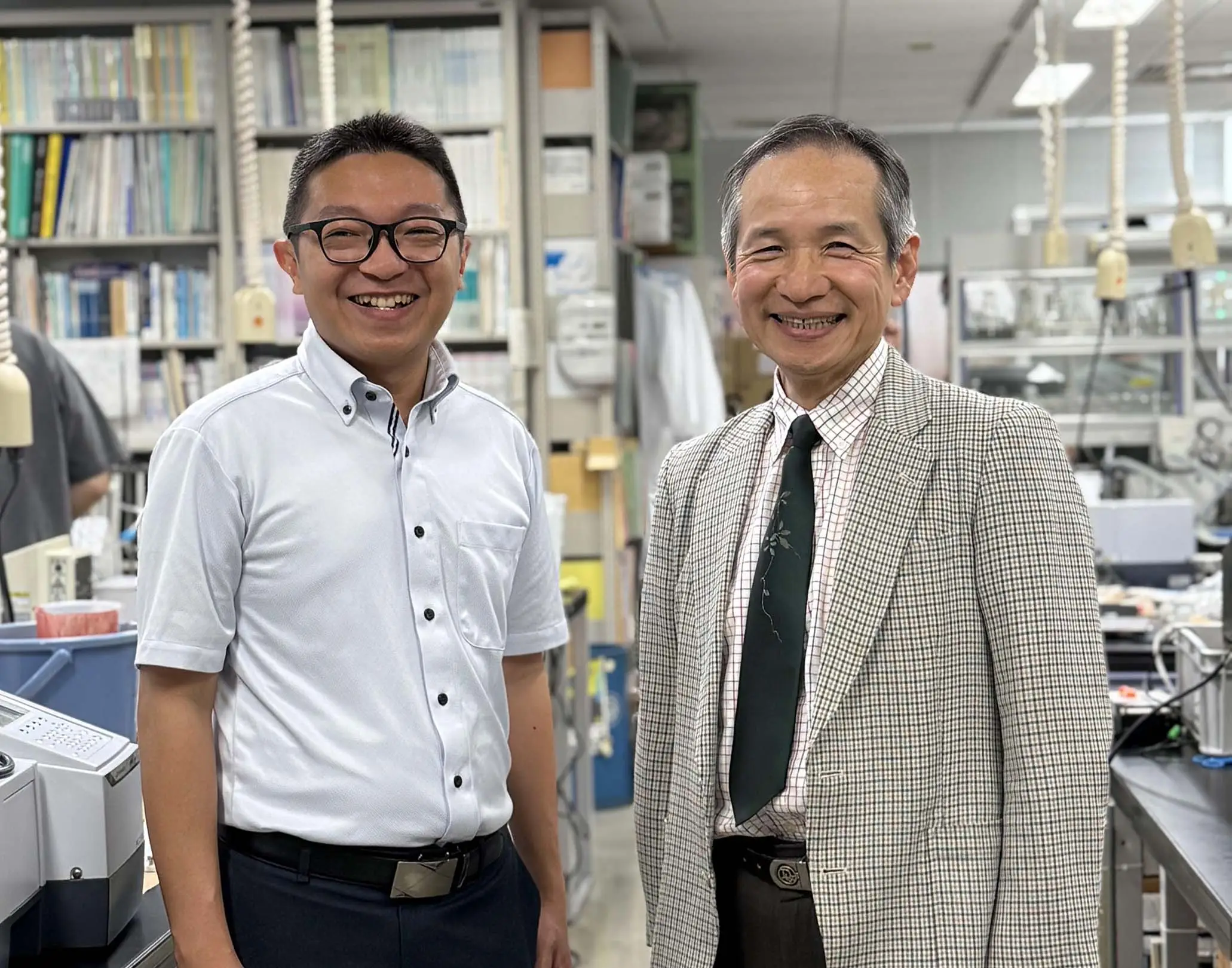
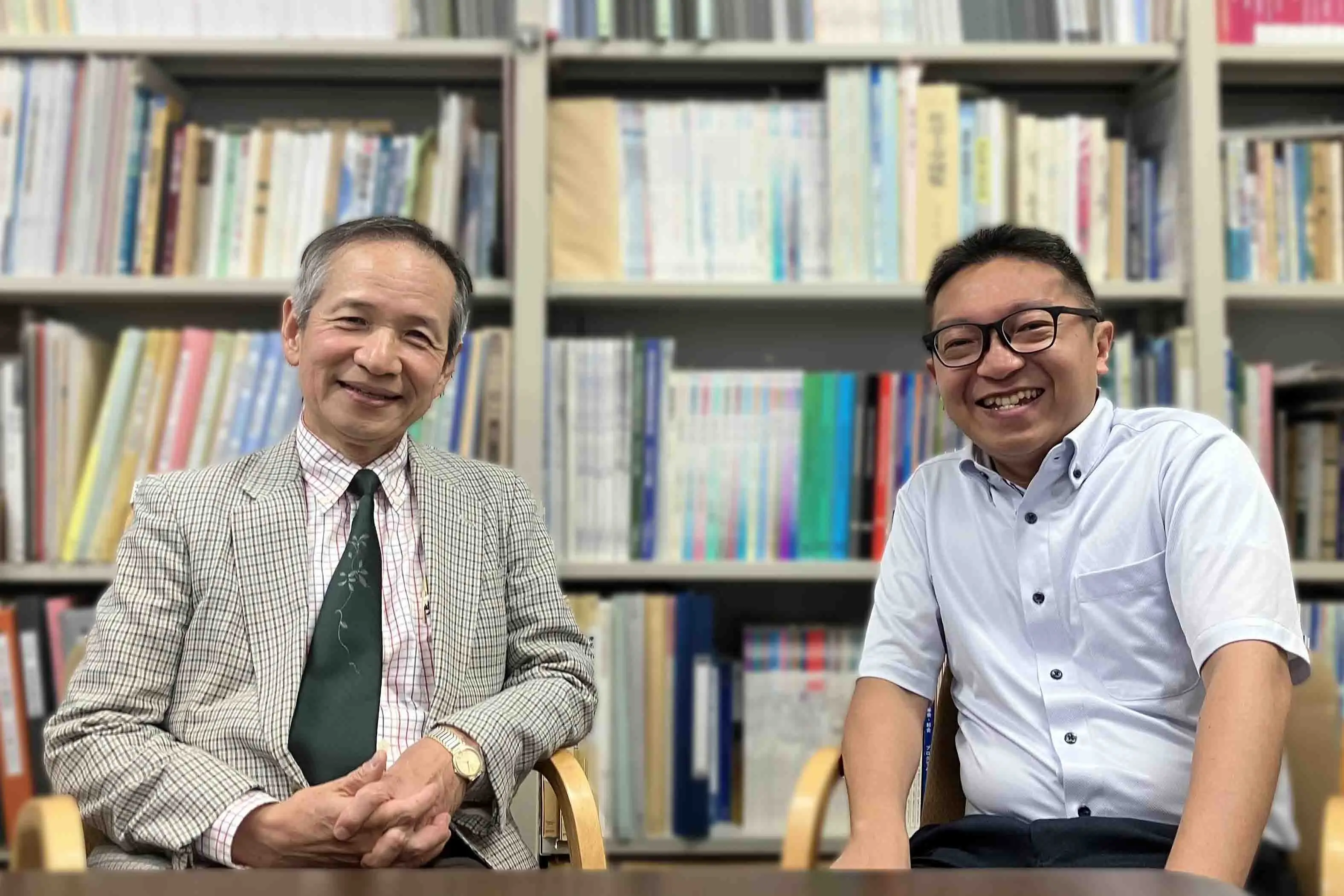
This article features interviews with Professor Akihiro C. Yamashita, Ph.D. of Hosei University, a specialist in biochemical engineering, and Gabriel Saputra, Ph.D., who is involved in the development of dialysis machines at Nikkiso. They talked about the basic approach to "Green Dialysis," Nikkiso's specific efforts, and future prospects for sustainable dialysis treatment.
Akihiro C. Yamashita, Ph.D.: Professor, Faculty of Bioscience and Applied Chemistry, Department of Chemical Science and Technology, Hosei University and Graduate School of Science and Engineering, Hosei University (concurrent). He specializes in chemical engineering and conducts applied research in the field of medicine. Through joint research with physicians and companies, he works to develop medical devices that contribute to the treatment of illness and injury.
Gabriel Saputra, Ph.D.: He belongs to the Equipment Products Section, Business Promotion Department, Medical Division, Nikkiso Co., Ltd. After being involved in the development of dialysis machines for overseas markets, he is currently engaged in overseas market analysis and product planning.
(*Affiliations and titles are as of the time of the interview.) |
What is Green Dialysis? Background of the growing need for environmental consideration in dialysis treatment
――To begin with, could you explain what “Green Dialysis” means as concept?
Professor Yamashita: Green Dialysis is a term that combines "green" meaning environmentally friendly and sustainable, and "Dialysis Therapy". The basic approach is to reduce the amounts of water, plastic, and energy consumed in dialysis as much as possible.
While most diseases are treated by administering drugs ("additive treatment"), dialysis is a "subtractive treatment" that removes waste products, water, etc., from the body. To perform this "subtraction," dialysis consumes a large amount of resources, which is not the case with other treatments, making the environmental impact an issue.
A single dialysis session typically requires approximately 200 liters of water, of which around 120 liters are used directly for treatment. In addition, operating the equipment and heating the dialysate consumes a substantial amount of energy. Furthermore, key components such as dialyzers (artificial kidneys) and blood tubing sets are primarily single-use plastic products.
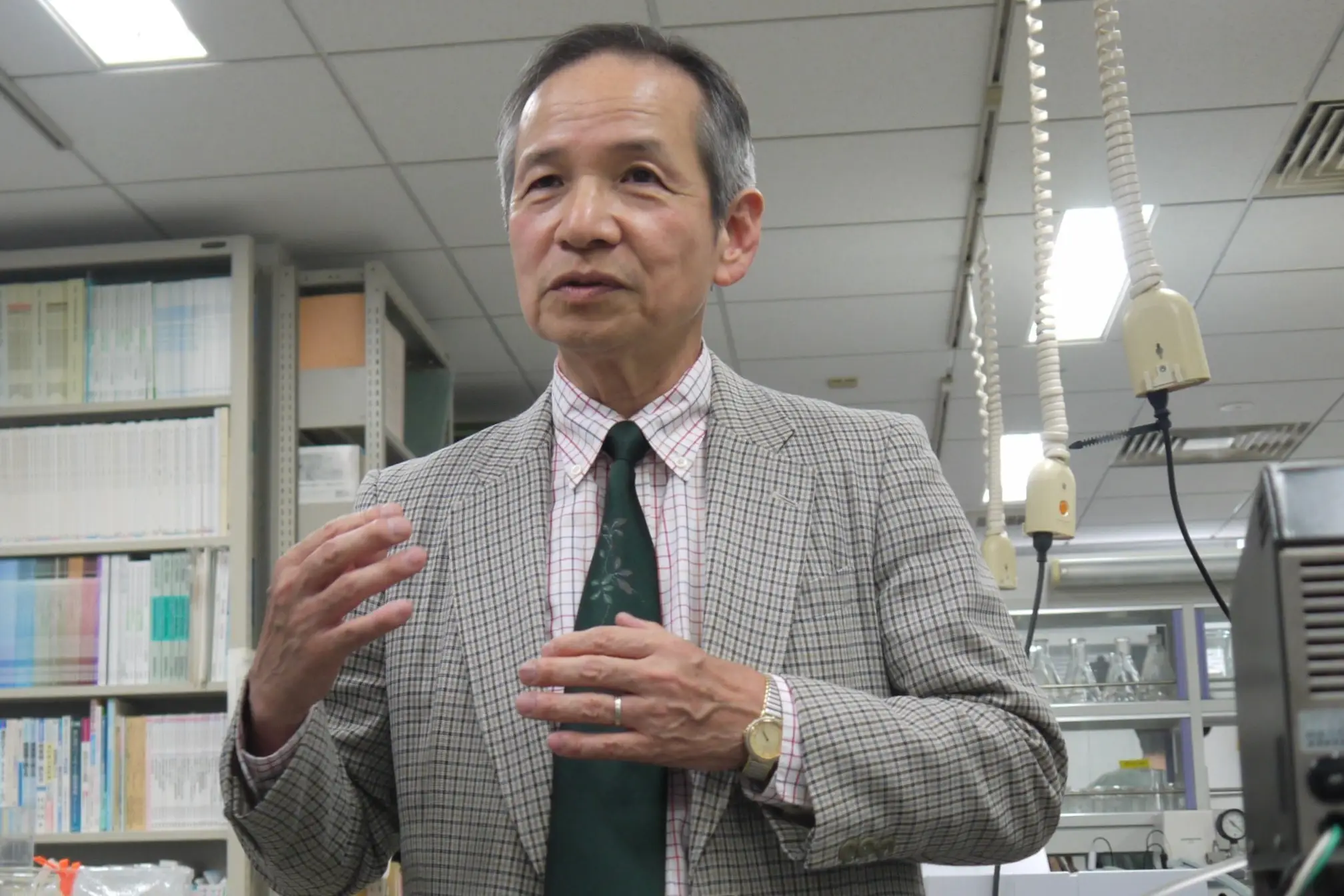 Professor Yamashita
―― When did environmental considerations in “dialysis therapy” begin to recognized as an important focus?
Professor Yamashita: Research on “Green Dialysis” first began to appear in Europe approximately a decade ago and has attracted growing attention in Japan over the past three years. This development is believed to reflect the high level of environmental awareness in Europe, where environmental awareness is generally high.
Until recently, the top priority in the medical world has been to save lives. Of course, that idea has not changed, but a new perspective has emerged: if the same therapeutic effect can be obtained, there must be a more environmentally friendly way to do it.
―― What is the current status of Green Dialysis in Japan?
Professor Yamashita: Although awareness of environmental considerations is not yet as widespread in Japan as it is in Europe, the circle of people who share this concern is steadily expanding. This year, a specialized team was established within the Japanese Society for Dialysis Therapy and discussions have just begun to formulate guidelines.
In fact, I was involved in research about 40 years ago to reduce the flow rate of dialysis fluid while maintaining the quality of treatment. At that time, the goal was to reduce treatment costs and optimize treatment, but the result was to reduce water use, which was in line with the current concept of Green Dialysis.
Although practical examples are still few, once guidelines are established, it is expected that environmentally friendly dialysis therapy will spread nationwide.
* The Japanese Society for Dialysis Therapy: An academic society dedicated to advancing dialysis therapy and other blood purification therapies.
Nikkiso's Challenge to Achieve Sustainable Dialysis Treatment
―― When did Nikkiso start working on environmental considerations?
Dr. Gabriel: For more than a decade, we have been pursuing efficiency improvements, such as energy and water savings, in our products. Since around 2020, when the European guidelines on Green Dialysis were announced, we have been promoting development with a stronger awareness of environmental considerations.
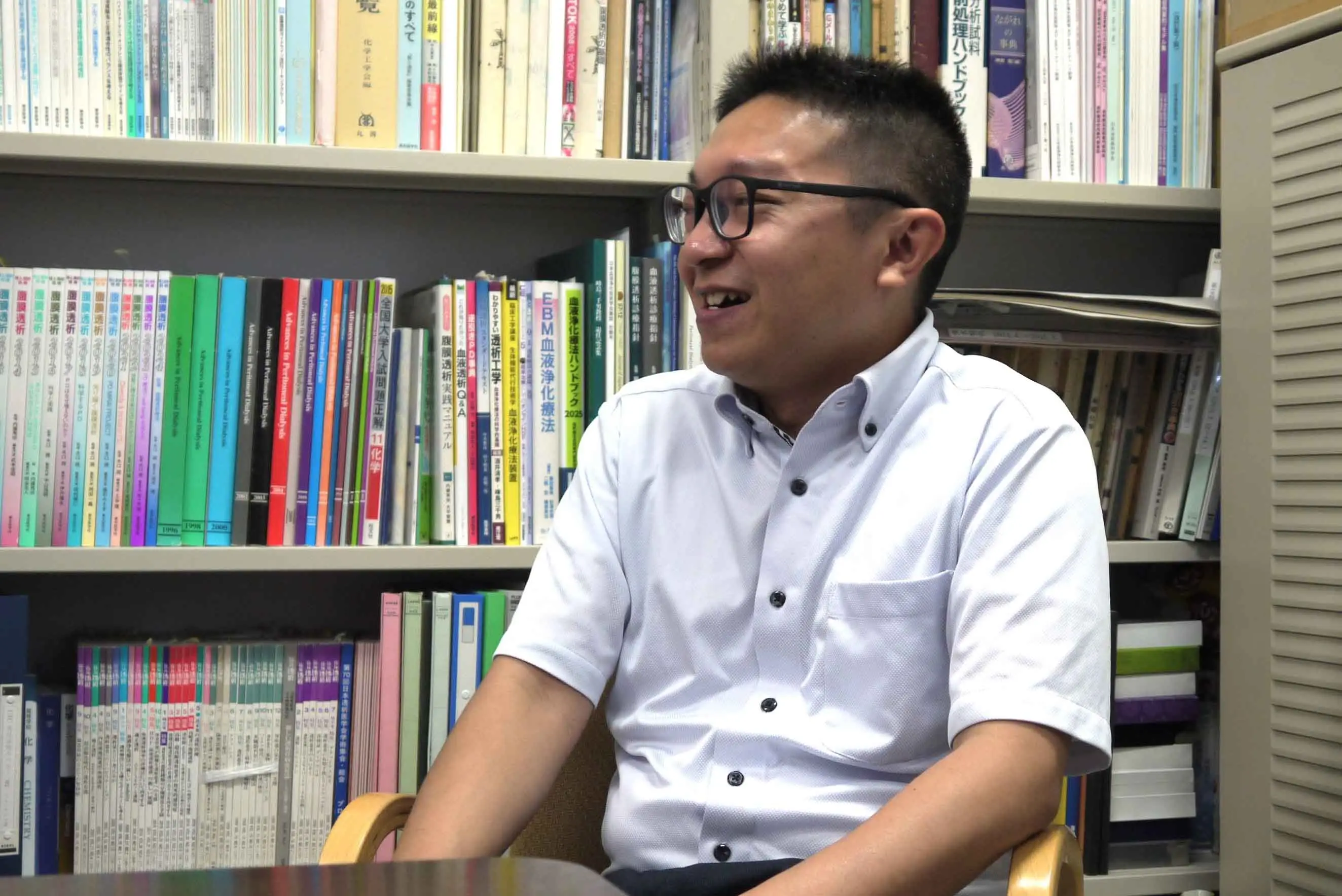 Dr. Gabriel Saputra
―― What specific initiatives are you working on?
Dr. Gabriel: Nikkiso is committed to environmental considerations in both its manufacturing sites and product development.
First, the Kanazawa Plant, a manufacturing site for dialysis machines and dialyzers, has switched to renewable energy sources for electricity, including the installation of solar panels on the roof of the factory and the introduction of a solar power generation system(on-site PPA). As a result, the electricity used at the Kanazawa Plant is now, in effect, 100% renewable energy. It is expected to reduce CO2 emissions by 7,400 tons per year. Furthermore, the boiler fuel has already been changed from heavy oil to LNG satellite with lower CO₂ emissions, thus reducing greenhouse gas emissions in the manufacturing process.
―― How do you innovate in the area of product development?
Dr. Gabriel: In product development, we are also making various efforts to reduce environmental impacts. For example, we are reducing the use of natural resources by changing the design of blood tubing lines, which are plastic products, to a simpler design. In addition, by using creative packaging and increasing the number of packages per box, the CO₂ generated during transportation and disposal (carbon footprints) is also reduced.
For dialysis machines, the volume of internal piping has been reduced to decrease the quantity of disinfectants used in the disinfection process, which is mandatory after treatment. In addition, the dialysis concentrate preparation unit automatically controls the amount of dialysis concentrate used to avoid excess dialysis fluid production.
Key treatment parameters, such as blood flow rate and dialysis fluid flow rate, are similar in many clinics. We intend to focus on how we can reduce environmental impact in areas other than the treatment itself, such as improving the efficiency of the disinfection process, to demonstrate Nikkiso's unique strengths.
* Blood tubing lines: A tubing system which blood is drawn from the patient extracorporeally circulated, purified, and returned to the patients withdraw during dialysis.
―― How do you view these initiatives by a manufacturer?
Professor Yamashita: Until now, "high efficiency" and "ease of use" have been the main criteria for selecting equipment, but in the future, it will be necessary to add the perspective of whether the system is environmentally friendly to the choices.
As Dr. Gabriel mentioned earlier, I think Nikkiso's focus on disinfection processes and other processes peripheral to treatment is a very good approach. In the future, the challenge may be how to reduce the energy required to heat the water used to clean the equipment.
Dr. Gabriel: You are right. We aim to achieve more efficient disinfection in the future through improvements such as reducing the number of heating targets by reducing the hydraulic volume and reducing the loss of energy as heat escapes to the environment.
―― What do you expect from manufacturers in the future?
Professor Yamashita: As the ultimate Green Dialysis, I am working on research about a wearable artificial kidney that requires no pump, no power source, and significantly reduces the use of water, plastic, and energy. I hope that manufacturers will not only develop tomorrow's products but also conduct joint research from such a long-term perspective, looking 10 to 20 years into the future.
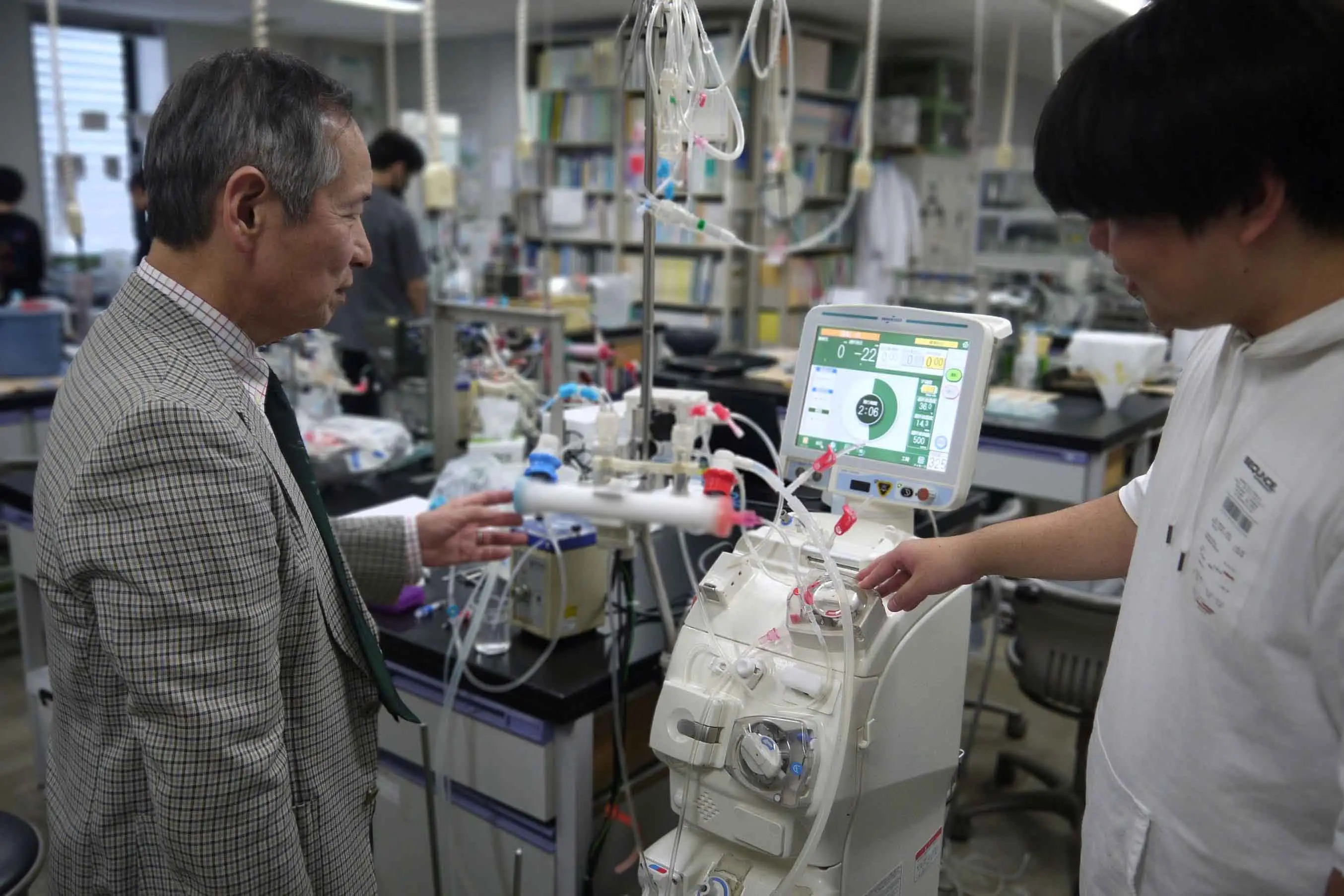 Professor Yamashita's research laboratory
The future of Green Dialysis from the perspectives of academia and business
―― What do you think are the key challenges to promoting the concept of the green dialysis in Japan?
Professor Yamashita: Since the majority of dialysis treatment in Japan is provided by relatively small private clinics, economic rationale is a major factor in final decisions. Without support from the government and society as a whole, such as some kind of support in terms of medical service fees for environmentally friendly treatment, full-scale popularization may be difficult to achieve.
Of course, the basic premise is that the quality of treatment should not be compromised by environmental considerations. For example, the use of on-line HDF, a treatment with higher efficiency, is required to improve the quality of treatment, and the improvement can be used to reduce the amount of water and energy consumed.
* On-line HDF: A method that adds the principle of filtration to hemodialysis to remove waste products more efficiently and reduce the burden on the body. Branching off a portion of the dialysis fluid into a replenishment solution commensurate with the "filtration" volume is referred to as "on-line."
―― From the manufacturer's standpoint, what do you see as the challenges to popularization?
Dr. Gabriel: As Professor Yamashita mentioned, various parties involved, including manufacturers, researchers, clinical settings, government, and insurance agencies, need to work together to consider the issue of who should bear the costs of environmental considerations and how they should be borne. For example, a system that reduces the burden on facilities and patients who choose environmentally friendly treatments could help to popularize Green Dialysis.
―― Finally, what is your ideal vision for Green Dialysis and what role will each of you play in achieving it?
Professor Yamashita: First of all, the greatest Green Dialysis may be to reduce the number of patients who need dialysis. It will also be important to evaluate the environmental impact from a total perspective that includes not only medical equipment and supplies, but also the energy consumption associated with patient visits to the hospital.
Dr. Gabriel: As a manufacturer, we believe our mission is to continue research and development aimed at improving efficiency within the existing system, while developing new functions that combine therapeutic efficacy with environmental sustainability and bringing them to market.
この記事をシェアする



Pickup
-
 MANUFACTURING
From Cascades, an area where Nikkiso has a global share of over 90%, to eVTOL components. The Nikkiso Miyazaki Aerospace Factory’s insatiable quest for air mobility
- Aerospace
- eVTOL
- Miyazaki
- CFRP
- Interview
- Aircraft
2026/09/10
-
![[Part 2] Nikkiso Vietnam, Inc. is expanding its product range from engine nacelle parts to wing and fuselage components](/media/FUvRilkmaaM2sm9uDeXK0jRNEocewdSV4LQNW5BJ.jpg) MANUFACTURING
MANUFACTURING
[Part 2] Nikkiso Vietnam, Inc. is expanding its product range from engine nacelle parts to wing and fuselage components
- Aerospace
- Aircraft
- CFRP
- Interview
2026/08/28
-
![[Part 1] Nikkiso Vietnam, Inc. is expanding its product range from engine nacelle parts to wing and fuselage components](/media/AVpbAdwaYtg0TEFKF4kBsPQdrX3E7sbCU8GYJkq4.jpg) MANUFACTURING
MANUFACTURING
[Part 1] Nikkiso Vietnam, Inc. is expanding its product range from engine nacelle parts to wing and fuselage components
- Aerospace
- CFRP
- Interview
- Aircraft
2026/08/27
PICK UP
-
From Cascades, an area where Nikkiso has a global share of over 90%, to eVTOL components. The Nikkiso Miyazaki Aerospace Factory’s insatiable quest for air mobility
-
[Part 2] Nikkiso Vietnam, Inc. is expanding its product range from engine nacelle parts to wing and fuselage components
-
[Part 1] Nikkiso Vietnam, Inc. is expanding its product range from engine nacelle parts to wing and fuselage components
-
What is Green Dialysis? Achieving Sustainable Dialysis Treatment through Industry-Academia Collaboration
-
Empowering Asia’s Expanding Dialysis Treatment with Nikkiso’s Advanced Technology and Comprehensive Support