






MEDICAL FIELD
2026/10/29
Development of a human kidney cell model for drug discovery and research: Toward efficient and ethical drug discovery tools (Updated March 12, 2025)
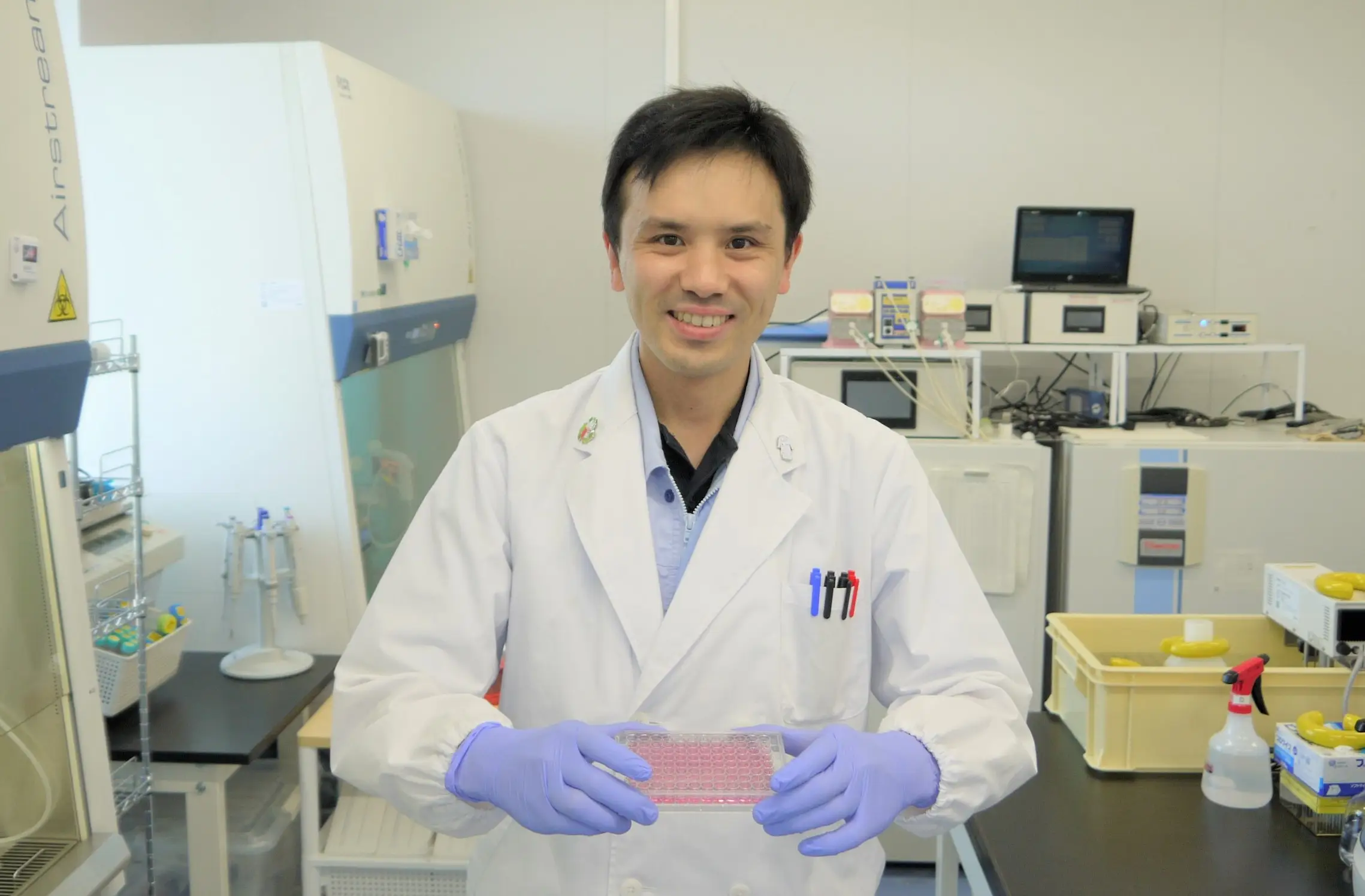
Index
Nikkiso manufactures, sells, researches and develops equipment and devices necessary for drug discovery or regenerative medicine based on two themes: “Development of efficient and ethical drug discovery tools” and “Establishment of large-scale cell culture for kidney treatments.”
In the development of drug discovery tools, Nikkiso succeeded in developing the world’s first human kidney cells that properly reproduce the functions of kidneys for drug discovery research, and has started selling them as 3D-RPTEC®. In the field of large-scale cell culture, Nikkiso is trying to establish a system to efficiently expand and culture renal progenitor cells for use in the kidney cell therapy.
“We want to save more lives...” We interviewed Yoichi Jimbo, Etsushi Takahashi, and Fumihiko Kitagawa, who are pioneering new fields with such a desire in mind, about the details of their research and development, the impact on drug discovery, and their future prospects. (The article published on October 11, 2022 was updated with the results of research on puberulic acid.)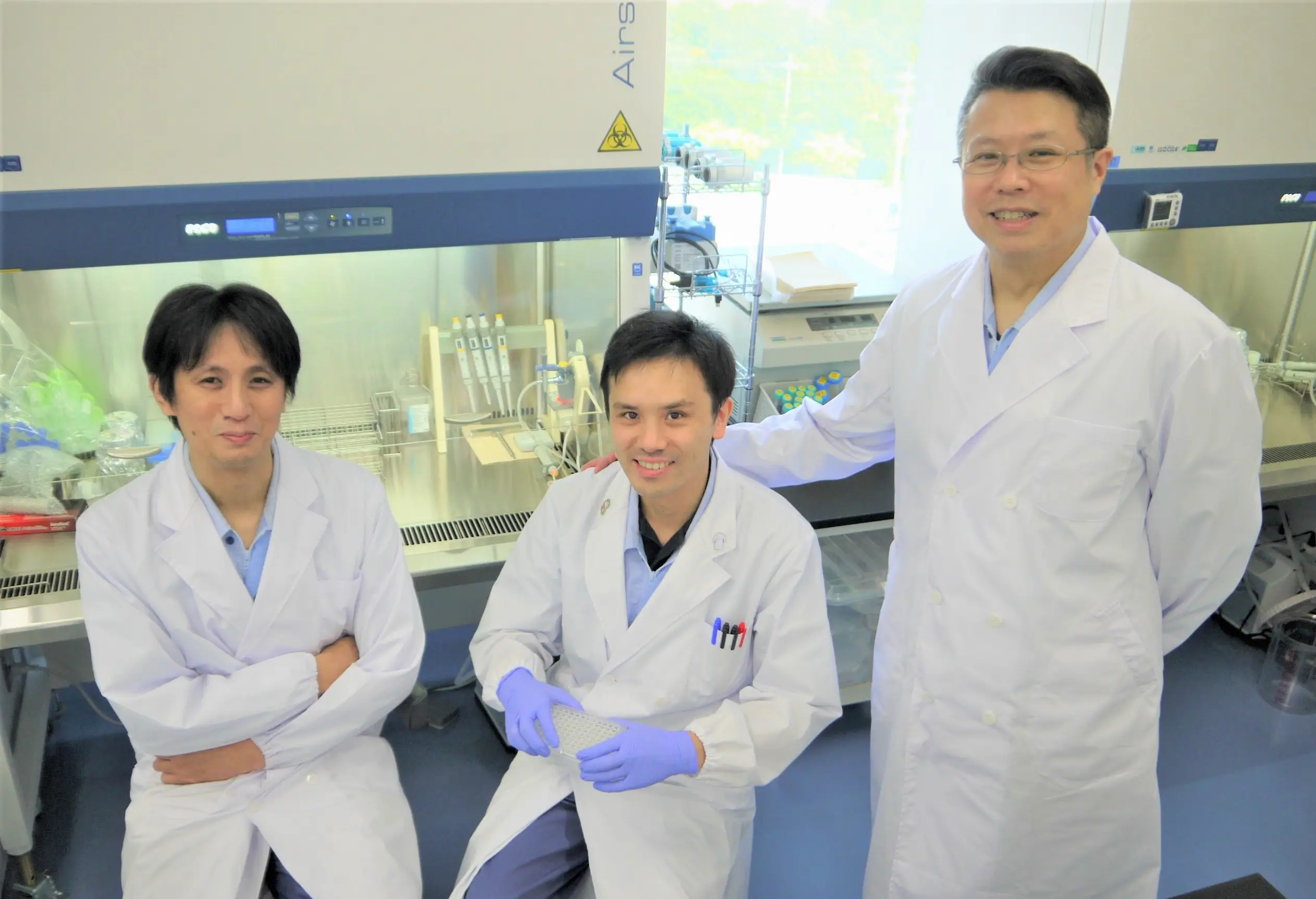 From left: Fumihiko Kitagawa, Etsushi Takahashi, Yoichi Jimbo
Yoichi Jimbo started research and development related to cells including regenerative medicine in 2013 after being involved in the development of hemodialyzers. Currently, he manages research and development related to regenerative medicine and drug discovery as General Manager of the Bio Business Promotion Department of the Medical Division. |
Started research aimed at improving the efficiency of drug discovery and reducing animal experiments
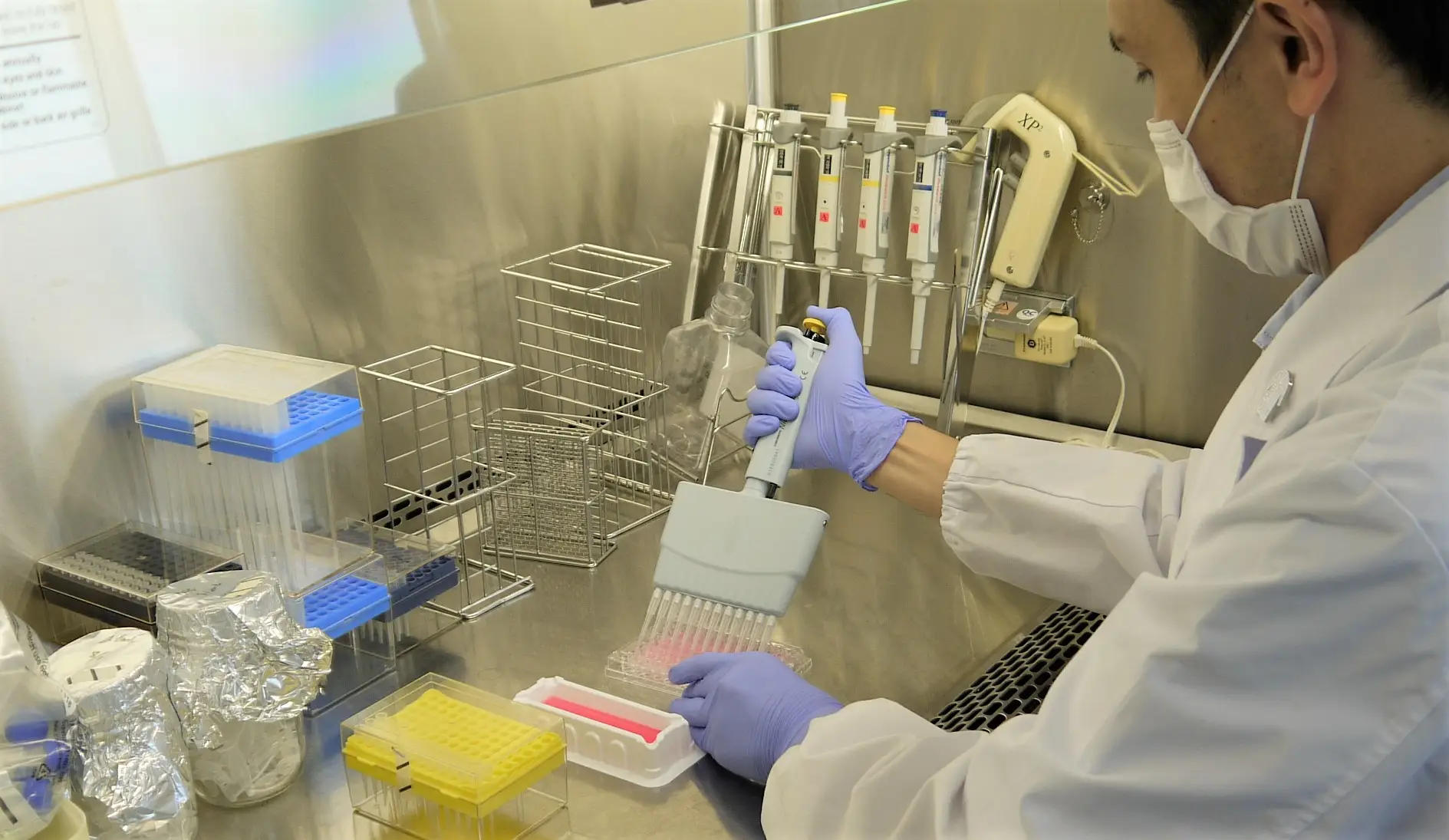
-- First of all, we would like to ask you about the development of efficient and ethical drug discovery tools, which is one of the two themes addressed by the Bio Business Promotion Department. Could you tell us about the current process of drug discovery research?
Takahashi: Currently, there are three main processes in drug discovery research: exploratory research, development research, and clinical trials.
First, a variety of compounds are created as potential candidates for drugs, and an examination is conducted to see if they work against a disease (i.e., exploratory research).
Next, experiments are carried out on compounds that were judged in the exploratory research to have the potential to become drugs, by using animals or cells. Here, an evaluation is performed regarding what pharmacokinetics* or efficacy the compounds have, and whether the compounds are toxic (i.e., development research). Finally, an investigation is conducted on whether the candidate substance is effective and safe for humans (i.e., clinical trials).
* Pharmacokinetics: Description of how a drug administered to a human body is absorbed, distributed, metabolized, and excreted.
-- What are the challenges in the current drug discovery research process?
Takahashi: We recognized that animal experiments conducted in the process of development research have issues from the viewpoints of 1) the efficiency of drug discovery and 2) the ethical acceptability of animal experiments.
First, please let me talk about the efficiency of drug discovery. When administering drug candidates to animals for an experiment, it is necessary to conduct tests on a large number of animals, taking individual differences into account. This requires a great deal of time and cost for the process from animal breeding to dissection and evaluation.
Also, because the functions of organs are not exactly the same between humans and animals, even if efficacy and safety are confirmed in animal experiments, the same results may not be obtained in humans. In fact, there have been quite a few compounds that did not become drugs because of problems in the clinical trial phase.
-- Please tell us in detail about the implementation of animal experiments, which is another challenge.
Takahashi: This is an awareness of an issue from the perspective of animal welfare.
In modern times, the 3R principles (Refinement: reduce the strain on laboratory animals, Reduction: reduce the number of animals used for an experiment, and Replacement: replace animal experiments with alternative methods) have been recognized globally for the proper conduct of animal experiments. Based on them, efforts to replace animal experiments with cell experiments are accelerating, led by Europe and the United States. Animal experiments have reportedly decreased also in Japan.
In order to conduct cell experiments, the functions of human cells must be correctly represented in cultured cells to be experimented on. However, this is not yet technically possible for some organs. Currently, alternative methods have not been established for all animal experiments, and we have recognized one challenge is that there are some cases where animal experiments have to be continued.
World’s first success in culture of kidney cells with appropriate functions
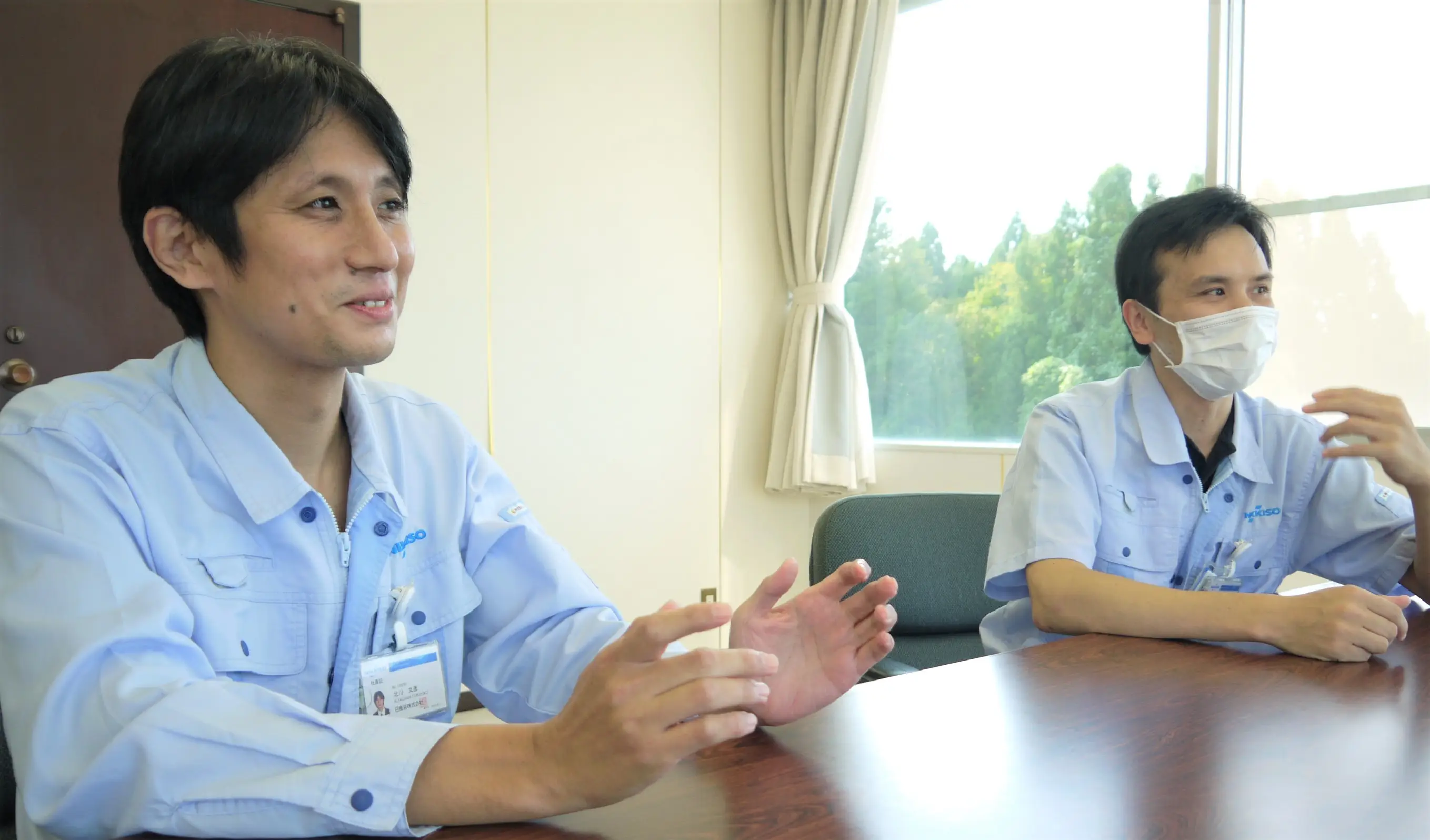
-- Please tell us about the research and development that Nikkiso has carried out, based on the issues you mentioned?
Kitagawa: We developed cell culture methods and tools for cell experiments to enable drug discovery without animal experiments.
Takahashi: I mentioned earlier that it is difficult to represent the functions of some organs on cultured cells, and the best example is the kidneys. On the surface of kidney cells, there are many transporter proteins*, which can be thought of as "gates" that control the movement of waste products and drugs between blood and urine. If kidney cells are cultured in a normal way, many of these transporters stop working.
Therefore, even if a drug is administered in a cell experiment, the drug cannot be taken in because the pathway is blocked, and it is impossible to confirm toxicity and efficacy.
Kitagawa: However, by culturing cells with a specialized culture method, we succeeded in the development of human kidney cells for drug discovery research that appropriately reproduce the functions of kidneys. It was an achievement we describe as the first of its kind in the world. We have confirmed that about 20 major transporters actually function.
* Transporters are proteins found in cell membranes. They function as a device to take ions and low-molecular substances into and out of cells. Kidney cells are known to contain many transporters involved in drug transport.
-- Does the completion of human kidney cells for drug discovery research make it possible to replace animal experiments with cell experiments?
Kitagawa: Yes. Using 3D-RPTEC, it is now possible to reproduce and evaluate the kinetics and toxicity of drugs in vitro (experiments conducted outside of a living organism) in much the same way as in vivo (experiments conducted in a living organism).
-- What benefits will the practical application of this research bring?
Kitagawa: First, cell experiments can be carried out instead of animal experiments, and drug discovery can be implemented without wasting the lives of animals.
In addition, in-vitro evaluation enables us to obtain data on a large number of compounds more quickly and at less cost from the early stage of development. This will contribute to reducing the time and cost of drug discovery. As a result, we believe that effective and safe drugs can be delivered to patients faster.
So far, I talked about drugs in general, but we also hope that we can contribute to the development of other new drugs for treating kidney diseases.
-- How can you contribute to the development of drugs for treating kidney diseases?
Kitagawa: Because we can now provide kidney cells with appropriate functions, we hope that it will encourage basic research on the mechanism of kidneys and new drug discovery research, leading to the development of more effective drugs than conventional ones.
The nephrotoxicity of puberulic acid was confirmed with cell experiments for the first time in the world
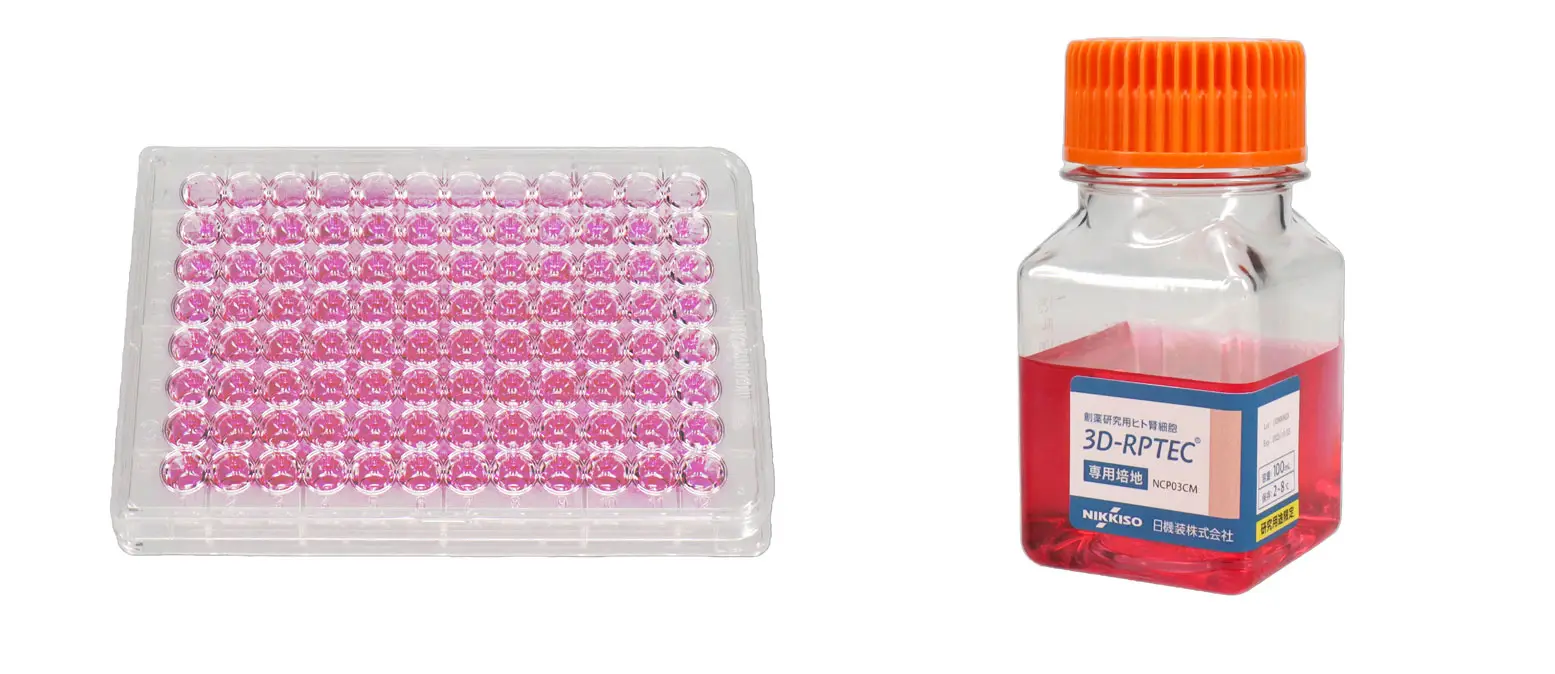 Left: [3D-RPTEC (cells)] Right: [Culture medium dedicated to 3D-RPTEC]
-- Is 3D-RPTEC already used to evaluate the nephrotoxicity of chemicals?
Takahashi: Yes, it is being used in various scenes. One of their achievements is the research results regarding puberulic acid.
Nikkiso and the research group led by Hiroshi Arakawa, then Associate Professor of Kanazawa University (currently Professor at the Graduate School of Pharmaceutical Sciences, Nagoya City University), have confirmed for the first time in the world in a human cell experiment that puberulic acid is toxic to proximal tubular epithelial cells, which are a kind of kidney cell.
Puberulic acid is a natural compound produced by blue-green mold (Penicillium) and a chemical identified as one of the causes of health hazards linked to products containing red yeast rice (Monascus purpureus).
The interim report of the Japanese Society of Nephrology reported renal dysfunctions including tubulointerstitial nephritis as its health hazard. Degeneration and necrosis of the proximal tubules have also been observed in animal experiments conducted by the National Institute of Health Sciences.
However, direct effects on human kidney cells had not been verified.
-- What have you found through the research?
Takahashi: We adopted 3D-RPTEC in this research and verified the impacts of puberulic acid on kidney cells by the nephrotoxicity evaluation method established in the collaborative research. As a result, it was found that puberulic acid above a certain concentration causes toxicity in proximal tubular epithelial cells and is the cause of renal dysfunction.
It was also suggested that an organic anion transporter, a type of drug transporter, is involved in the pathway by which puberulic acid is taken up by proximal tubular epithelial cells.
-- What do you think about the significance of the results of this research?
Takahashi: We hope that the results of this research will contribute to revealing the causal relationship between puberulic acid and health hazards.
In addition, I believe this research showcases that the toxicity and safety of chemicals including pharmaceuticals can be appropriately evaluated in cell experiments. Based on these achievements, we will promote the shift from animal experiments, on which we have been highly dependent, to cell experiments.
-- Is there anything you are doing to popularize the renal toxicity evaluation method using 3D-RPTEC?
Takahashi: In order to make this evaluation method a global standard, we are aiming for its inclusion in the OECD Guidelines for the Testing of Chemicals. The OECD Guidelines for the Testing of Chemicals are internationally agreed test methods for evaluating the safety of chemicals. Currently, we are working as an AMED project (“Research on Regulatory Science of Pharmaceuticals and Medical Devices” in FY2023), and as a first step, we are working to formulate guidelines with the cooperation of pharmaceutical companies in Japan.
* AMED: Japan Agency for Medical Research and Development
“We want to take on the challenge of a business that saves more lives”
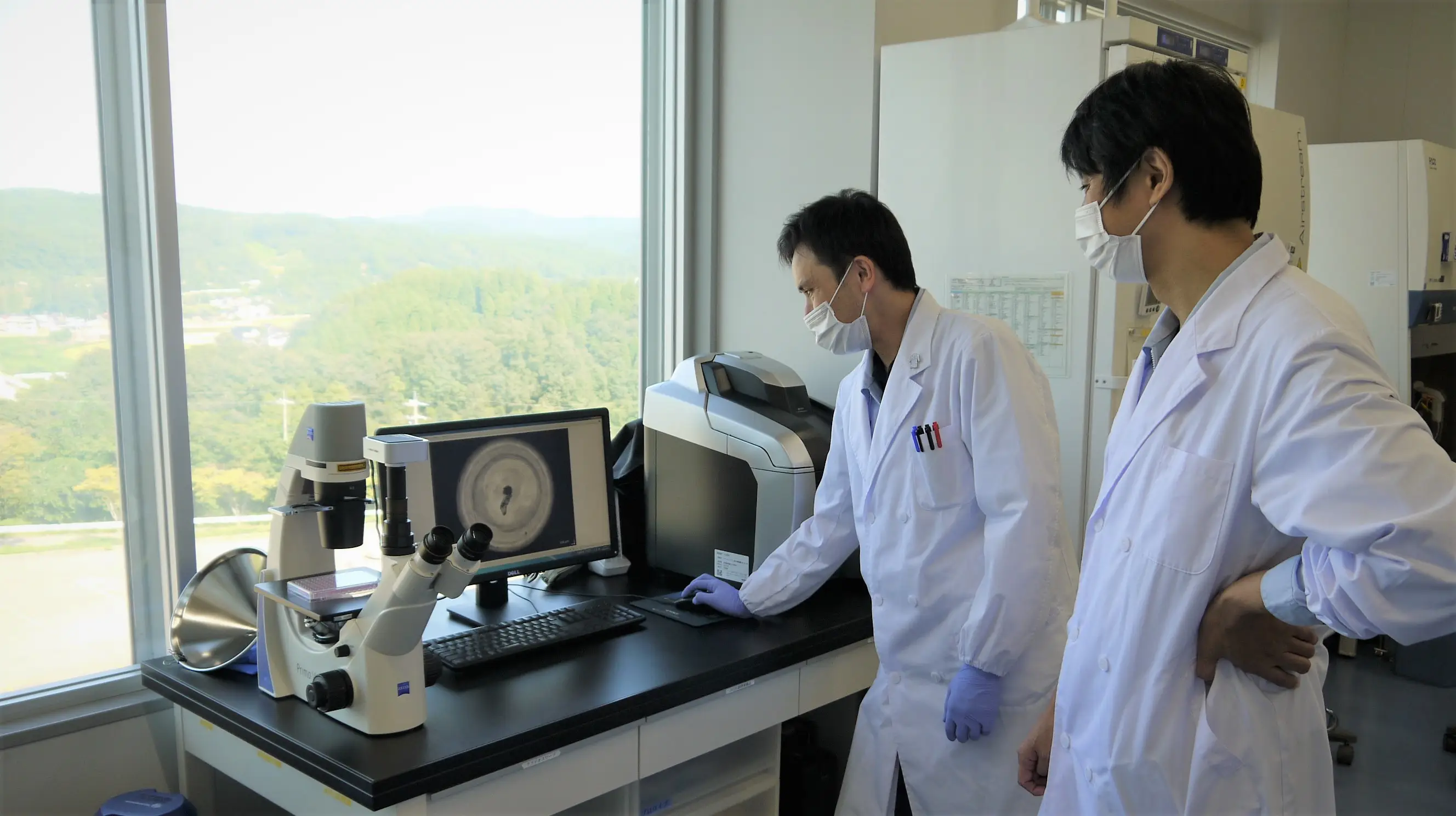
-- You are also conducting research to establish large-scale cell culture of cells for treating kidney diseases, as another axis of the Bio Business Promotion Department. Could you give us an overview?
Kitagawa: We are conducting research and development of a system for culturing renal progenitor cells (nephron progenitor cells), which are the basis of kidneys, in large quantities and with high quality.
In the kidney cell therapy developed by Dr. Kenji Osafune of the Center for iPS Cell Research and Application, Kyoto University, renal progenitor cells injected into a kidney prevent the deterioration of kidney functions.
Because the kidney cell therapy requires many kidney progenitor cells, we are trying to realize a state in which we can efficiently produce them. We are developing a system that can appropriately control culture conditions including the temperature and pH by utilizing the process control and composition adjustment technologies Nikkiso has developed over the years.
-- Thank you very much. Finally, please tell us about what the Bio Business Promotion Department and Nikkiso want to realize through this two-axis research and development.
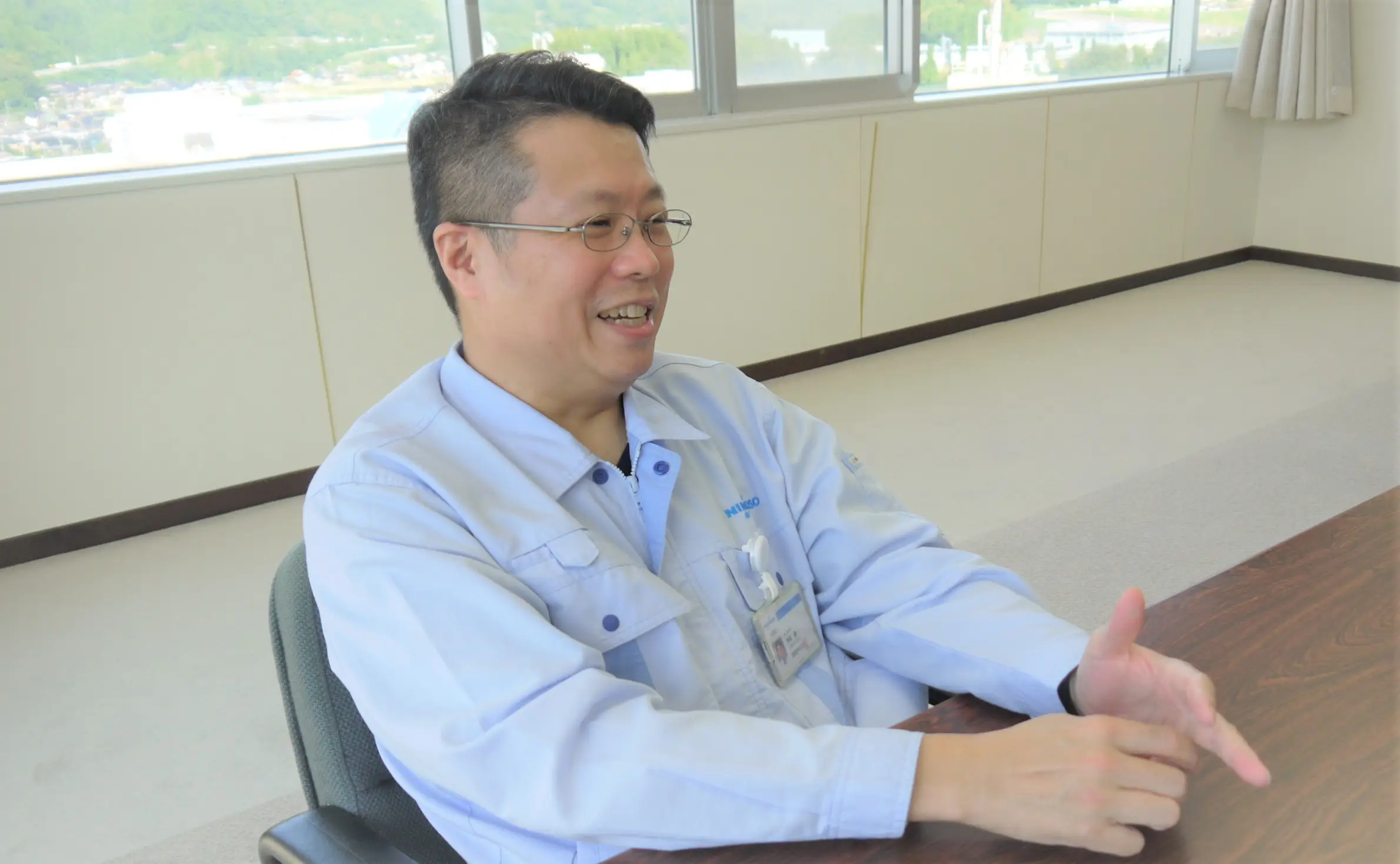
Jimbo: The theme common to those two types of research we have talked about is kidneys. However, the technology developed through this research and development has the potential to be applied not only to kidneys but also to other organs and cells. Going forward, by tackling and contributing to these other themes, we would like to engage in projects that will save the lives of even more people.
In addition, through such research and development, we hope to one day establish a treatment method that prevents the loss of functions of the organs themselves, thereby saving people from having to undergo painful treatment. We plan to work toward such a future.
この記事をシェアする



Pickup
-
 MANUFACTURING
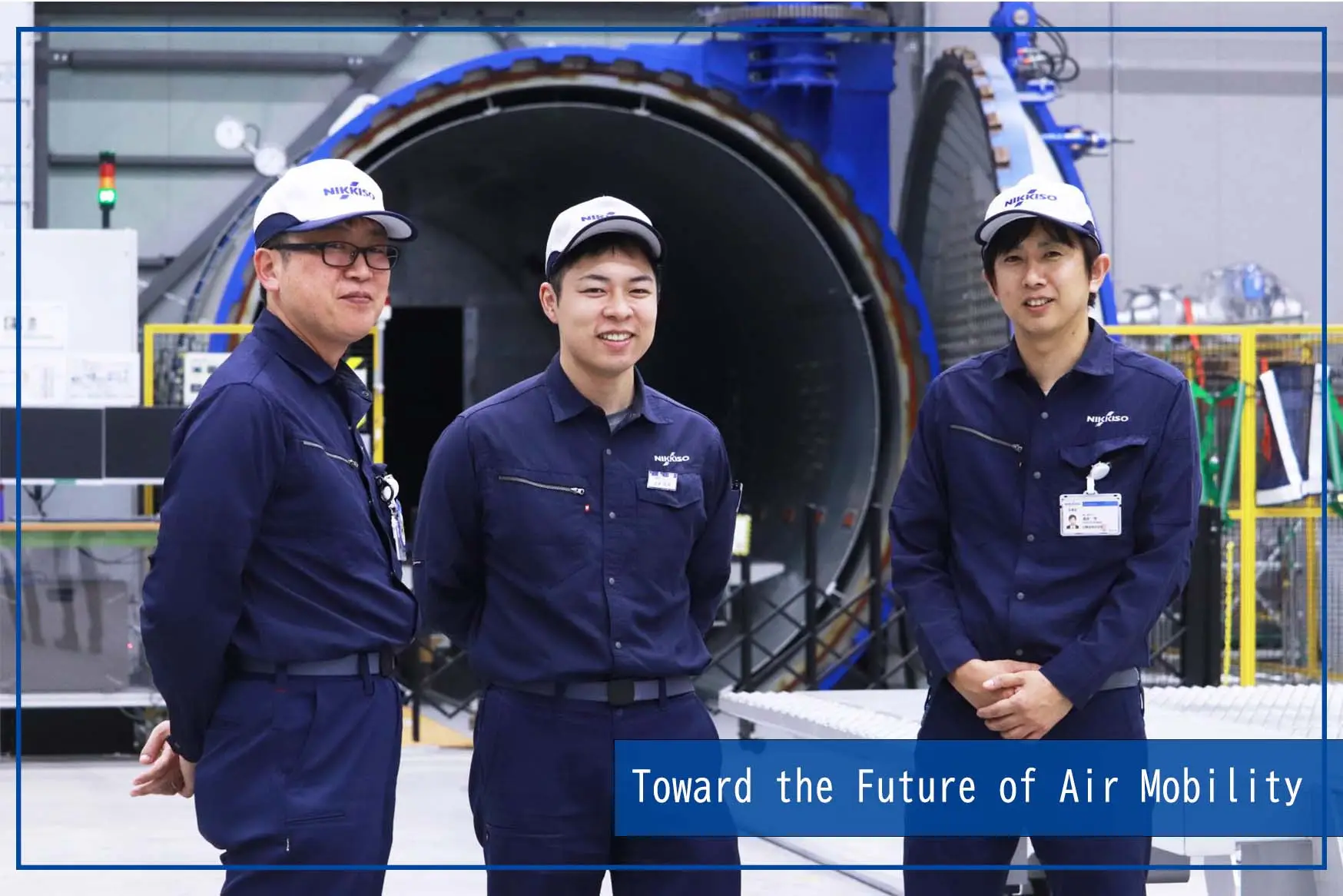
From Cascades, an area where Nikkiso has a global share of over 90%, to eVTOL components. The Nikkiso Miyazaki Aerospace Factory’s insatiable quest for air mobility
- Aerospace
- eVTOL
- Miyazaki
- CFRP
- Interview
- Aircraft
2026/09/10
-
 MANUFACTURING
[Part 2] Nikkiso Vietnam, Inc. is expanding its product range from engine nacelle parts to wing and fuselage components
- Aerospace
- Aircraft
- CFRP
- Interview
2026/08/28
-
 MANUFACTURING
[Part 1] Nikkiso Vietnam, Inc. is expanding its product range from engine nacelle parts to wing and fuselage components
- Aerospace
- CFRP
- Interview
- Aircraft
2026/08/27
関連記事
-
 MEDICAL FIELD
What is Green Dialysis? Achieving Sustainable Dialysis Treatment through Industry-Academia Collaboration
- Hemodialysis
- Interview
- Medicalbusiness
2026/08/25
-
 MEDICAL FIELD
Empowering Asia’s Expanding Dialysis Treatment with Nikkiso’s Advanced Technology and Comprehensive Support
- Hemodialysis
- Interview
- Medicalbusiness
2025/10/30
-
 MEDICAL FIELD
A region on the forefront of dialysis treatment: Nikkiso automation gathering attention in Europe
- Medicalbusiness
- Hemodialysis
- Interview
2025/03/13
-
 MEDICAL FIELD
Faster and more assured treatment: Nikkiso's efforts to develop technologies to improve work efficiency and safety of medical devices
- Medicalbusiness
- Hemodialysis
- Technology
2025/02/13
PICK UP
-
Development of a human kidney cell model for drug discovery and research: Toward efficient and ethical drug discovery tools (Updated March 12, 2025)
-
From Cascades, an area where Nikkiso has a global share of over 90%, to eVTOL components. The Nikkiso Miyazaki Aerospace Factory’s insatiable quest for air mobility
-
[Part 2] Nikkiso Vietnam, Inc. is expanding its product range from engine nacelle parts to wing and fuselage components
-
[Part 1] Nikkiso Vietnam, Inc. is expanding its product range from engine nacelle parts to wing and fuselage components
-
What is Green Dialysis? Achieving Sustainable Dialysis Treatment through Industry-Academia Collaboration